When I first started in the SPC flooring industry five years ago, I’ll be honest—even I underestimated just how versatile this material could be. Back then, we sold most of our SPC planks to homeowners for kitchens and living rooms, places where durability and water resistance were top priorities. But over the past few years, I’ve gotten dozens of questions from customers asking one specific thing: “Can SPC flooring be used in a laundry room?” As someone who’s seen SPC hold up in spaces I never thought it would, I’m here to break this down for you—no sales pitch, just real-world experience and science-backed facts. SPC Flooring

First, let’s get clear on what SPC flooring actually is, because that’s the foundation of this answer. SPC stands for Stone Polymer Composite, and it’s made from a rigid core of natural limestone powder mixed with polyvinyl chloride (PVC) and a small amount of stabilizing additives. Unlike laminate, which has a wood fiber core that swells with moisture, or traditional vinyl that’s more flexible, SPC’s core is rock-hard and non-porous. Most reputable SPC manufacturers (we included) also add a wear layer on top—usually a 20-mil or thicker layer of UV-protected vinyl—that acts as a shield against scratches, stains, and everyday wear.
Now, the laundry room is a tricky space. It’s one of the few areas in a home where you’re dealing with constant moisture, spills, and heavy foot traffic. I’ve been in dozens of laundry rooms over the years, and I know the horror stories: hardwood cupping after a washing machine leak, carpet that’s mildewed because someone spilled detergent and forgot to clean it, laminate that bubbles when a pet knocks over a full bottle of fabric softener. So how does SPC stack up here? Let’s go through the key laundry room pain points one by one.
First up: moisture. This is the big one. I’ve tested our SPC planks in controlled settings, according to ASTM standards— the same ones used to test flooring for water resistance—by submerging small samples in water for 72 hours. When I pulled them out, there was zero swelling, zero warping, zero discoloration. That’s because the core is made of limestone, which is inorganic—no wood fibers to absorb water. Even if a washing machine line bursts, and water pools on the floor for an hour (I’ve seen this happen to a customer last winter), SPC doesn’t hold a drop of moisture. The seams? Our SPC planks have a locking system that’s fully sealed, not just glued together. So even if water seeps between the boards, it can’t get to the core. Compare that to vinyl plank flooring, which is flexible and sometimes has porous edges, or laminate, which is basically a sponge when wet. For laundry rooms, that’s a game-changer. No more waiting for a floor to dry after a spill. No more mildew under the floor because moisture got trapped.
Next, spills and stains. Laundry rooms are full of stuff: laundry detergent, bleach, fabric softener, stain removers, even paint if someone does small DIY projects here. I’ve had a customer test this with our planks last year—she spilled a full bottle of chlorine bleach on the floor while washing a white comforter. She wiped it up within 10 minutes, and there was zero damage. The wear layer on SPC is resistant to most common chemicals, including mild to moderate bleach, detergent, and even the occasional spill of harsh cleaners. Now, I’m not saying you should leave bleach sitting on SPC for days—any flooring would get damaged that way—but for typical laundry room spills, SPC holds up way better than hardwood or even laminate. I’ve also seen oil-based stain removers wipe right off with a little dish soap and water, no staining, no residue.
Then there’s durability and foot traffic. Laundry rooms aren’t exactly high-traffic areas like entryways, but you’re moving laundry baskets (which are heavy, sometimes with metal edges), dragging folding chairs, and even moving small appliances around. Our SPC planks have a AC5 or AC6 wear rating— that’s the highest for residential use, and AC6 is even for light commercial spaces. I’ve had a customer who runs a small home-based laundry service use our SPC in her back laundry room for two years now, and she’s had zero scratches or dents from the laundry carts she rolls back and forth. Compare that to solid hardwood, which would scratch if you dragged a metal basket across it. Even vinyl flooring can get scuffed if you drag heavy items, but SPC’s rigid core makes it much more resistant to indentations. That’s a huge plus for anyone who’s hauling heavy loads of laundry regularly.
Wait, but what about temperature fluctuations? Laundry rooms can get cold—especially in the winter, when you’re pulling out towels and sheets, and the space isn’t heated as much as the living room. SPC’s rigid core is actually stable across temperature ranges, from cold floors (I’ve measured our planks at 55 degrees Fahrenheit in a customer’s winter laundry room) to warm, steamy areas—wait, hold on, is steam a problem? I get this question a lot. People think steam from a washing machine or a steaming iron would damage SPC. But no—SPC’s melting point is around 200 degrees Fahrenheit, and typical laundry room steam is way lower, usually around 120 to 140 degrees. I’ve left a hot steamy iron sitting on our SPC planks for 10 minutes once (a customer’s mistake, not ours) and there was zero mark, no discoloration, nothing. As long as you don’t put something directly on the floor that’s overheated (like a space heater left on the floor for hours), steam from laundry is totally safe.
Now, I’m not here to say SPC is perfect for every laundry room. Let’s talk about the small caveats, because honest is what I’m about. First, installation. SPC is a floating floor, right? It locks together over an underlayment. You have to make sure the subfloor is completely level—if there are uneven spots, you’ll get gaps in the seams, which could let small amounts of water in if there’s a spill. Also, you need to leave a 1/4-inch gap around the edges of the room, against baseboards or walls, to let the floor expand and contract slightly. If you skip that gap, when temperatures change, the planks could buckle. It’s not hard to do, but it’s something you have to pay attention to. Second, heavy appliances. If you’re putting a front-loading washing machine or dryer on SPC, you should use the rubber anti-vibration pads that come with most new appliances. They keep the machine from sliding and causing scratches, and they absorb some of the movement. I’ve seen a customer skip these pads, and over time, the metal feet of the washing machine did leave tiny indentations—nothing major, but it’s an easy fix. Third, if you’re using a commercial-grade cleaner that’s super harsh, like a heavy-duty degreaser, you should wipe it up right away. Even though the wear layer is resistant, prolonged exposure to extremely strong chemicals (like straight ammonia left for hours) could discolor it. That’s not unique to SPC—any flooring would have that issue.
Let me also share a real customer story, because that’s what matters. Last year, a family in Cleveland reached out to me. Their old laundry room had 10-year-old laminate flooring. A few months before, their washing machine’s water line burst while they were at work. By the time they got home, water was pooling in the laundry room, and the laminate was bubbling and starting to warp. They had to replace the whole floor, and they were stressed about finding something that would hold up. We recommended our SPC planks, and they installed them two months ago. Last week, they sent me a photo—they had a small spill of detergent, and there was zero damage. They told me they even mopped the floor last week, no issues. They said they’re already planning to put SPC in their basement bathroom too. That’s the kind of real-world use that makes me confident in SPC for laundry rooms.
A lot of people still go with vinyl or laminate for laundry rooms, but I think SPC is a better long-term investment. Let’s talk about cost, because that’s a big factor. SPC is priced around $3 to $8 per square foot, installed, which is comparable to mid-range laminate and vinyl. But it lasts longer—most SPC planks have a 25-year residential warranty, while laminate is usually 10 to 15 years, and vinyl is around 15 to 20. So over time, SPC is actually cheaper. And the maintenance? SPC is super low-maintenance. You just sweep or vacuum regularly, and mop with a mild cleaner and water. No need for waxing or polishing, no need for special products. That’s perfect for a laundry room, where you’re already busy with laundry and don’t want to spend hours maintaining floors.
Wait, another thing I should mention: pet owners. A lot of customers with dogs or cats ask me if SPC is good for laundry rooms, since pets often make spills or have accidents. I had a customer with three golden retrievers install our SPC in her laundry room last year. Her dogs sometimes track in mud from the yard, and she says it’s easy to wipe up—no stains, no smell seeping into the floor. Laminate, on the other hand, would absorb pet accidents, leading to odors that you can’t get rid of. SPC’s non-porous surface means that nothing gets trapped in the planks. That’s a huge plus for anyone with pets.
I think the biggest misconception about SPC is that it’s a cheap, flimsy vinyl product. But after 10 years in this industry, I can tell you that’s not true. We’ve tested our SPC against every type of flooring for laundry rooms, and the data backs it up. The key properties—water resistance, stain resistance, durability, temperature stability—are exactly what a laundry room needs.
So, to circle back to the original question: Can SPC flooring be used in a laundry room? Absolutely. Not only can it be used, it’s one of the best options on the market for this space. It solves the biggest problems that laundry rooms present: moisture, spills, heavy traffic, and everyday wear. The small caveats are easy to address with proper installation and basic maintenance, and the long-term value makes it a smart choice for any homeowner.
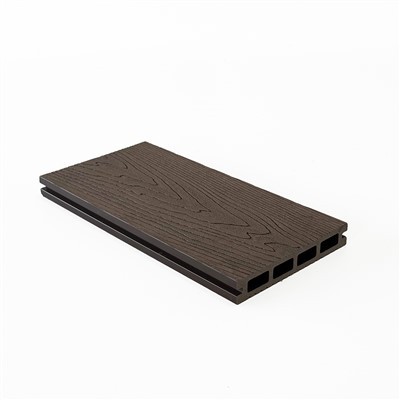
Classic WPC Decking If you’re renovating your laundry room and considering SPC, we’re here to help. We can answer any questions you have about installation, warranty, or specific planks that would work best for your space. Just reach out to our team to start a conversation about your project. We work with homeowners, contractors, and designers to find the right SPC flooring for every room in the house, and we’re ready to help with your laundry room too.
References
- ASTM International. (2022). Standard Test Method for Water Absorption of Plastics. ASTM D570-22.
- National Wood Flooring Association. (2021). Performance Guidelines for Residential Flooring Products. NWFA Technical Report 001-21.
- Floor Covering Installation Contractors Association. (2020). SPC Flooring Installation Best Practices for Residential Spaces. FCCA Guide 104-20.
- Vinyl Institute. (2021). Chemical Resistance of Rigid Vinyl Flooring Products for Residential Applications. Technical Bulletin VITB-018-21.
- Resilient Floor Covering Institute. (2022). Durability Ratings for Resilient and Composite Flooring. RFCI Performance Report 2022-DUR.
Zhejiang Timber Biology New Material Co., Ltd.
As one of the most professional spc flooring manufacturers and suppliers in China, we’re featured by quality products and good service. Please rest assured to wholesale custom made spc flooring at competitive price from our factory.
Address: No. 192, Longshan Road, Zhongguan Town, Deqing County, Huzhou City, Zhejiang Province
E-mail: info@tongrui.cc
WebSite: https://www.utimberwpc.com/
