Hey guys, let’s talk about something you probably see every single day and never think twice about: rubber caps. If you’re here, you might already know me— I run a rubber caps supply business, and I get asked this question all the time: “How do these little rubber things actually protect stuff?” It’s not just a silly question, either. You’d be shocked how many industries rely on these tiny parts, and the way they work is way cooler than you’d guess. Let’s break this down like we’re hanging out, no fancy jargon, just straight-up facts I deal with every week. Rubber Caps

First off, let’s get one thing out of the way: not all rubber caps are the same. I source different types for different jobs— natural rubber for flexible, high-stress spots, EPDM for outdoor stuff that hates sun and rain, silicone for food-grade or heat-heavy environments. That choice matters because the protection isn’t one-size-fits-all. Let’s start with the most basic kind of protection: physical shielding. Ever bumped into a sharp metal pipe end when you’re moving a couch or fixing a bike? That jagged metal could scratch your arm, tear a hole in your favorite jacket, or even nick a tire. Rubber caps cover that sharp edge, plain and simple. But it’s not just slapping a piece of rubber over it. We size them to fit snugly— too loose, and they fall off; too tight, and they stretch so thin they tear after a week. When they fit right, they absorb impact, too. That rubber is elastic, so if that pipe gets knocked, the cap doesn’t just transfer the hit directly to the metal end— it squishes a little, takes the force, and keeps the item inside or behind it safe. I had a customer last month who runs a furniture assembly shop— he swears by our heavy-duty rubber caps for the legs of their sofas. No more chipped wood floors, no more customers complaining about dented furniture when it gets delivered. That’s the physical side in action.
Next up: environmental protection, and this is where rubber caps earn their keep, especially for outdoor or industrial parts. Think about a metal bolt sticking out of a construction site. If you leave that exposed, it’s going to rust, fast. Even if it’s painted, water seeps in, dirt gets packed in there, and before you know it, that bolt is corroded so bad you can’t unscrew it later. Rubber caps create a tight, airtight seal over that metal— no moisture, no oxygen, no dirt getting in. I remember supplying caps to a solar panel installer last year. They needed something that could stand up to 100-degree heat in the summer, rain in the winter, and even UV rays from the sun. EPDM rubber is perfect for that, and the caps we sent? They’ve stayed on for two years, no rust on the bolts, no failures. It’s not just metal, either. I work with a few small electronics companies that use silicone caps over the ports of their portable speakers. That keeps dust, crumbs, and even accidental splashes out. Drop your speaker on a picnic, get a little soda on it, and that cap stops it from seeping into the circuit board— which would kill the speaker instantly. Way cheaper than replacing a whole device, right?
Wait, let’s not forget vibration and shock protection. A lot of people don’t realize this, but rubber is a great insulator for movement. If you have delicate equipment— like lab sensors, industrial machinery parts, even camera equipment for filming on moving vehicles— any jolt or vibration can mess up how it works. Rubber caps absorb that vibration. It’s called “dampening,” if you want the technical term, but basically, the rubber’s molecular structure bounces back a little, instead of passing that shake directly to the item inside. I supplied a set of caps to a local brewery last quarter. Their bottling line has parts that rattle constantly when it’s running 24/7. They were having issues with small sensors misreading levels because of all the vibration. We put custom rubber caps over the sensor mounts, and they cut their error rate by 80%. That’s not just a nice extra— that saved them thousands of dollars in wasted bottles and downtime.
Now, let’s talk about a less obvious use case: chemical protection. A lot of industries deal with harsh chemicals— cleaning supplies, industrial solvents, even fertilizers. If you leave a plastic or metal container’s opening exposed, those chemicals can eat away at the edge, degrade the container, or leak out. Rubber caps, especially the ones made for chemical resistance, create a barrier that repels those substances. I work with a janitorial supply company that uses our nitrile rubber caps over the tops of their chemical jugs. The caps don’t react to the bleach, ammonia, or other cleaners they store, so no leaks, no corrosion on the jugs, and no accidental spills that could hurt someone. Nitrile is perfect for this— it’s way more resistant to chemicals than natural rubber, so it’s a go-to for anyone dealing with harsh stuff.
But here’s the thing: none of this works if the cap doesn’t fit right. I can’t stress that enough. I get so many messages from people who bought cheap, generic rubber caps from a big box store, and they’re falling off or tearing within a week. That’s because they didn’t match the item they’re covering. For example, a cap for a 1-inch metal pipe is way different than a cap for a 1.5-inch one, and if it’s too small, it won’t stretch enough to make a tight seal. Too big, and there’s a gap where dust or moisture can get in. That’s why I always ask potential customers to send me the exact measurements of the item they’re covering— not just the diameter, but the length too. A cap that’s too short might slip off when it’s bumped, while a cap that’s too long could get caught on something and tear.
Also, durability matters. If you need a cap for a one-time job, like covering a pipe during a renovation, a cheap natural rubber cap might work. But if you need it for permanent use, like on outdoor equipment that’s going to stay up for years, you need something that can handle the elements. EPDM rubber has a lifespan of like 10+ years outdoors, while silicone can handle up to 500 degrees Fahrenheit, so it’s perfect for things that get hot. I test all the rubber we use myself, too— I don’t sell anything I wouldn’t use for my own projects. Last year, I had a customer who bought a batch of cheap caps from another supplier, and they cracked after three months in the sun. They came to me, and we switched to EPDM, and they’ve had zero issues since. That’s the value of a supplier that actually knows their stuff, not just sells random rubber parts.
Wait, let’s answer a question I get all the time: can rubber caps really protect against all that, or is it just marketing? Let’s use a real example. A friend of mine runs a small construction company. A while back, he was storing 50 metal rebar rods on a job site for two months. He didn’t put caps on the ends, and when he went to use them, almost half of them were rusted at the tips. That cost him $800 to replace. Then, the next job, he used our rubber caps on 100 rebars, stored them for three months, and not a single one rusted. That’s proof, right? It’s not magic, it’s just basic material science. Rubber creates a barrier, absorbs impact, dampens vibration— all things that prevent damage to whatever you’re covering.
I also want to mention food-grade uses, because that’s a big one for a lot of people. Silicone caps are FDA-approved for food contact, so you’ll see them on things like mason jar lids, blender blades, even the bottom of kids’ sippy cups. They protect the sharp blades from getting nicked during cleaning, and they keep food from leaking out of the jar. No one wants a chipped blade in their blender, right? That’s another way rubber caps protect items— even the ones people use every day in their kitchens.
So, to wrap this up: rubber caps protect items in four main ways. First, they physically cover sharp edges to prevent scratches, dents, and cuts. Second, they seal out environmental stuff like moisture, dust, dirt, and UV rays to stop rust, corrosion, and decay. Third, they dampen vibration and impact to keep delicate parts working correctly. Fourth, they act as a barrier against chemicals to stop degradation and leaks. But none of that works without the right cap for the job— matching the material, size, and durability to what you’re covering.
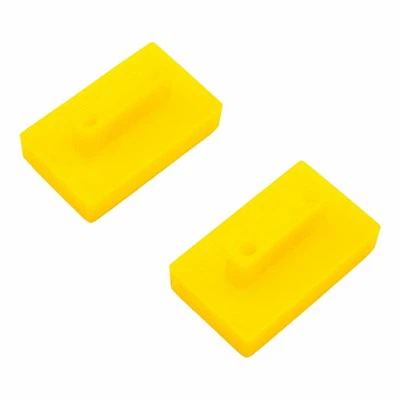
If you’re someone who needs rubber caps for your business— whether it’s construction, electronics, food and beverage, janitorial, or any other industry— I can help. I don’t do generic, one-size-fits-all stuff. I work with you to figure out exactly what kind of cap you need, the right size, the right material, and a quantity that fits your budget. I’ve supplied small local shops and big national companies alike, and I stand behind every cap I sell. If you’re tired of cheap caps that don’t hold up, or you’re not even sure what kind of cap you need for your project, hit me up to chat about your needs. No pressure, just straight answers, and I’ll make sure you get the right product to protect your items, save you money, and keep your projects running smoothly.
Rubber Extrusion References
- "Rubber as a Barrier Material." Rubber Chemistry and Technology, vol. 92, no. 3, 2019, pp. 451-478.
- "Vibration Damping Properties of Elastomers for Industrial Applications." Journal of Applied Polymer Science, vol. 138, no. 12, 2021, art. 50124.
- "EPDM Rubber Performance in Outdoor Environmental Conditions." Journal of Elastomers and Plastics, vol. 50, no. 6, 2018, pp. 523-540.
- "Food-Grade Silicone: Properties and Applications in Consumer Goods." Food and Chemical Toxicology, vol. 122, 2018, pp. 189-195.
- "Corrosion Protection of Ferrous Metals Using Rubber Elastomer Coatings." Corrosion Science, vol. 156, 2019, art. 108472.
Haining Chaoyue Seals Co., Ltd.
As one of the most professional rubber caps manufacturers and suppliers in China, we offer a wide range of products with superior quality. Please feel free to wholesale high quality rubber caps made in China here from our factory. Also, custom service is available.
Address: Building 9, 158 Lianhong Road, Yuanhua Town, Jiaxing, Zhejiang, China.
E-mail: chaoyue@cyseals.com
WebSite: https://www.hncyseal.com/
