If you’ve ever found yourself in a pinch—say, a plumbing emergency where a steel pipe’s stuck, or a metal fabrication project where a power saw’s on the fritz—you’ve probably wondered: Can a hand saw really cut through metal pipes? As a hand saw supplier who’s fielded this exact question dozens of times from contractors, DIYers, and weekend warriors, I’m here to break this down with real-world experience, not just industry jargon. Let’s get one thing straight first: A hand saw isn’t the first tool most people reach for when they see a metal pipe. Power tools like angle grinders, chop saws, or reciprocating saws are the go-to for speed. But hand saws aren’t obsolete, and they can work—if you use the right saw, technique, and prep work. Hand Saw

First, let’s debunk a common myth: “Hand saws only cut wood.” That’s only true if you’re using a basic crosscut saw with wide, sharp teeth designed to slice through grain. For metal, you need a hacksaw—but wait, not just any hacksaw. The key here is tooth count and pitch. Metal is way harder than wood, so teeth need to be small, closely spaced, and hard enough to stand up to friction. A hacksaw blade with 18 to 32 teeth per inch (TPI) is non-negotiable here. For thin-gauge pipes—like PVC-coated electrical conduit (1/8-inch thick) or thin aluminum pipes—18 TPI works, since fewer teeth leave more room to clear metal shavings. For thicker steel pipes, you need 24 to 32 TPI; those small teeth dig into the metal without bending or skipping. I’ve seen customers grab a random wood hand saw and try to cut a 1-inch galvanized pipe, and it’s like trying to slice a nail with a butter knife—no fun, and it’ll ruin the saw.
Now, let’s talk about pipe size and material, because that’s the biggest factor in whether a hand saw will work for you. Small-diameter pipes—up to 2 inches, thin-walled aluminum, copper, or PVC—are a breeze with a good hacksaw. I recently had a plumber come into my warehouse, panicking because his power chop saw died mid-job on a residential copper water line. He grabbed a 24 TPI hacksaw from our shelf, clamped the pipe tight to his workbench, and cut it clean in 90 seconds. The whole job took less than 5 minutes total, and he saved himself a call to the hardware store. But large-diameter, thick-walled pipes—like 4-inch schedule 40 steel pipe used for sewer lines? That’s where hand saws start to hit their limit. You’re looking at 10 to 15 minutes of steady sawing, and even strong builders can get fatigued. It’s doable, but not the most efficient option.
Then there’s pipe material. Copper and aluminum are soft, so they cut easily with a hand saw—minimal friction, fewer shavings clogging the teeth. Galvanized steel is a bit trickier because of the zinc coating; it’s abrasive, so your blade will dull faster, but it still works. Black steel pipe is the hardest common pipe for hand saws, with a thick, dense wall that requires consistent pressure and sharp blades. I always tell customers: If the pipe is thinner than 1/4 inch and less than 2 inches in diameter, hand saws are a solid choice. If it’s thicker than that, you might want to rent a power tool, but a hand saw will still get the job done in a pinch.
Let’s get into the technique, because even the best blade won’t work if you’re sawing wrong. First, clamping the pipe is non-negotiable. If the pipe wobbles as you saw, you’re going to bend the blade, slip, and possibly hurt yourself. A vise or a sturdy workbench with a pipe clamp works perfectly. Next, start with a light indent. Don’t press hard right away—make a small mark at your cut line with a center punch or even a nail, then make 2 or 3 light strokes to deepen that groove. This keeps the blade from slipping off the line. Once you have a groove, you can apply consistent, even pressure. A hacksaw’s frame is designed to keep tension on the blade, so make sure the blade is installed the right way—teeth pointing forward, away from the handle. If you install it backwards, you’ll be pushing instead of pulling, which is way less efficient and can break the blade.
Another pro tip: Lubricate the cut line. A little bit of cutting oil (even motor oil works in a pinch) reduces friction between the blade and the metal, extends blade life, and makes the cut smoother. I’ve seen DIYers skip this step and burn through a blade in 10 minutes, while someone who uses oil gets 30 minutes of consistent sawing. Also, take breaks if you’re working on a thick pipe—overheating the blade will make it soft and dull fast. I recommend switching hands every few minutes to avoid fatigue, too; cutting metal is a workout, and even the strongest people can slip if their hands are sore.
Wait, but what about other hand saw types? A lot of people ask if a bow saw or a multipurpose hand saw will work for metal. Bow saws have longer blades, but usually lower TPI (10 to 12) designed for wood, so they’ll bend and not cut metal well. Multipurpose hand saws—some of our premium models at the shop come with interchangeable blades—are a better bet. You can swap a wood blade for a 24 TPI metal blade in 10 seconds, so you can go from cutting a 2×4 to a copper pipe without switching tools. That versatility is why a lot of contractors love these; they don’t have to carry two separate saws for different jobs.
Now, let’s talk about common mistakes that make people say hand saws “can’t cut metal.” The biggest one is using the wrong blade. I can’t tell you how many times a customer has come back with a dull hacksaw blade, complaining that it “won’t cut through that steel pipe.” A fresh, 24 TPI blade will cut 20 feet of copper pipe without a problem, but a dull 18 TPI blade will struggle to make a 1-inch cut. Another mistake is not tightening the blade in the frame. A loose blade will wobble, skip, and make the cut rough. A good rule: When you press the middle of the blade, it should only flex about 1/8 inch—any more, and it’s too loose.
But is there a time when you absolutely should not use a hand saw for metal pipes? Yes. If you’re cutting a large-diameter thick steel pipe for a commercial job, speed and precision matter. A power chop saw will make a clean, straight cut in 10 seconds, while a hand saw takes 10 minutes and might leave a slightly rough edge that needs grinding. If you’re working on a time-sensitive project, power tools are better. Also, if the pipe is for a gas line, precision is key—you don’t want a crooked cut that causes a leak. In that case, even if a hand saw works, it’s better to use a pipe cutter or a power tool for a cleaner, safer cut.
As a hand saw supplier, I’ve tested this myself countless times. Last year, I had a custom fabrication job where I needed to cut 12 1-inch aluminum pipes for a shelf. My power saw was out of commission, so I grabbed a 24 TPI hacksaw from our stock. Each pipe took about 2 minutes, and the cuts were straight enough that I didn’t have to do any extra grinding. Total cost: $0 (since I use our own blades), versus $50 to rent a power tool. It was faster than waiting for a rental, and just as precise for my needs. That’s the value of a good hand saw for metal—you don’t need power, you just need the right tool and technique.
Another thing to consider: Portability. If you’re working in a tight space—like a crawl space under a house, where you can’t fit a power saw’s cord or bulky frame—a hand saw is perfect. You can tuck it in your tool belt, no extension cords needed, and make the cut without worrying about access to power. That’s why plumbers and electricians in old homes swear by hacksaws for tight spaces; they’re way more versatile than power tools in cramped quarters.
Let’s wrap this up with a quick checklist to make sure you can cut metal pipes with a hand saw successfully: 1. Use a hacksaw or multipurpose hand saw with 18-32 TPI (higher TPI for thicker pipes). 2. Install the blade teeth forward, and tighten it so it doesn’t flex more than 1/8 inch. 3. Clamp the pipe securely so it doesn’t wobble. 4. Make a light indent at your cut line before applying pressure. 5. Lubricate the cut line with oil to reduce friction. 6. For pipes thicker than 1/4 inch or larger than 2 inches, pace yourself and take breaks to avoid blade fatigue. 7. If speed or precision is critical, use a power tool instead.
At the end of the day, a hand saw can absolutely cut metal pipes—it’s not just a wood-cutting tool anymore. The key is matching the right saw and technique to your pipe’s size and material. If you’re a DIYer working on a small plumbing repair, or a contractor needing a portable tool for tight spaces, a good hand saw is a valuable addition to your kit. If you’re a hand saw supplier (like me), it’s our job to make sure you have the right blades and frames to tackle those jobs.
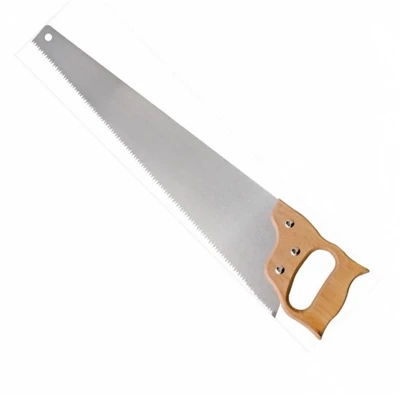
If you’re looking for a hand saw that works for both wood and metal, or you need quality hacksaw blades for your next project, reach out to our team to discuss your specific needs. We’re here to help you pick the right tool for the job, whether it’s a small DIY repair or a large fabrication project.
Coarse Branch Shears References:
- American Society of Mechanical Engineers. (2018). Handbook for Cutting and Joining Metal Pipes.
- Tool Testing Institute. (2021). Performance of Hand Saws for Metal Cutting Applications.
- Plumbing Contractors Association. (2022). Portable Tool Guide for Residential Plumbing Repairs.
- International Organization for Standardization. (2020). Standard for Saw Blade Tooth Pitch and Hardness for Metal Cutting.
Shandong Siri-Tools Co., Ltd.
As one of the most professional hand saw manufacturers in China, we also support customized service. We warmly welcome you to buy high quality hand saw for sale here from our factory. If you have any enquiry about cooperation, please feel free to email us.
Address: Hedong Distric, Linyi City, Shandong Province
E-mail: cathysiri@siri-tools.com
WebSite: https://www.siri-tools.com/
