If you’ve ever stood in front of your kitchen cabinet staring at a jumble of plates nesting so tightly you have to jam your fist between them to pull one out, or reached for a cereal bowl only to find it buried under three smaller bowls you don’t even remember owning, you know the dinnerware cabinet chaos is one of the most avoidable, yet most persistent, small frustrations of home cooking. As a direct Everyday Dinnerware Set supplier who’s spent years talking to thousands of homeowners (from small studio apartment renters to families with 4 kids), I can promise you the best way to organize your everyday plates, bowls, and mugs isn’t about buying fancy drawer dividers or rearranging once a year—it’s about matching your system to how you actually use your dinnerware, not how a Pinterest board tells you to. Everyday Dinnerware Set

First, let’s start with the hard part: stripping out the noise. Most people keep way more everyday dinnerware than they need. I see this all the time: a customer will order a 12-piece core set plus 8 extra random plates from past housewarmings, a set they got for a wedding that’s slightly too big for their dishwasher, and those chipped cereal bowls from college they “can’t bring themselves to throw away.” That extra 20% of pieces aren’t useful—they’re just taking up space and causing the chaos you hate. The first step to a well-organized cabinet is the purge, and it’s simpler than you think. Lay every single piece of dinnerware out on your kitchen table, right when you’d normally grab it for a weeknight dinner or breakfast. Ask two quick questions for each: Have I used this in the last 30 days? Does this fit my current kitchen routine (like my dishwasher size, or how many people I actually cook for most nights)? If the answer is no to both, set it aside to donate or store elsewhere. For most households, that means a 12-piece core set is all you really need—enough for 4 people to eat dinner at the same time, plus 2 spares if a guest drops by. If you regularly host 8 people for weeknight meals, a 16-piece set works, but anything more than that is just extra clutter you don’t need. I always tell customers: an extra plate won’t make a Tuesday night pasta taste better, but digging through a pile to find one will.
Now that you’ve got only the pieces you use, it’s time to structure your cabinet space. The biggest mistake I see is mixing all types of dinnerware together in the same stack. Plates are flat, stackable, and need to be easy to pull from the bottom of the cabinet, while bowls are deeper, bulkier, and don’t nest neatly if they’re not the same size, and mugs handle heat, so they should be somewhere they won’t get scratched or broken. The most functional setup I’ve tested over and over is zoning your cabinet by type, not by size or color. Let’s break it down by cabinet height, since that’s the biggest variable in most kitchens:
- The bottom shelf (the one closest to the floor, or the hardest to reach) is for spare items you rarely use. If you’re only keeping a core set, that’s your back-up plates for guests, or the set of bowls you only use for soup season. Don’t stack them higher than 4 deep here—you’ll never get the bottom one out without knocking over the whole stack.
- The middle shelves are your workhorses, and where you’ll keep the pieces you use every single day. This is where dinner plates go first, right? Wait—no, not always. Here’s the part most people get wrong: the plates you need every day should be on the shelf that’s easiest to reach, right at eye level, so you don’t have to bend or stretch to grab them. For people who are right-handed, that’s the left middle shelf; left-handed folks, the right middle shelf. Don’t mix bread plates, salad plates, and dinner plates here. Stack them separately, and for plates that nest, put a small piece of felt or a paper towel between every 2nd plate. Sounds like a small trick, but it stops them from sticking together so you don’t have to pry them apart. For bowls—if you use deep soup bowls daily, stack them next to the plates; if you use shallow cereal bowls more often, stack them elsewhere. The key is that the bowls you use go on the same middle shelf as the plates you use, so when you’re making dinner, you only pull from that one shelf instead of three.
- The top shelf, if you have one, is for items that don’t get used every day. Extra mugs for coffee guests, a set of dessert plates, or that special bowl you only pull out for holiday meals. Just make sure it’s not so high you have to use a step stool—every time you have to climb up, you’re less likely to put things away neatly, and more likely to knock a plate over.
Wait, what about drawers vs. cabinets? That’s another common debate. A lot of people think drawers are better for dinnerware, and they work if you have a deep drawer at counter height. But here’s the catch: drawers make it too easy to toss all pieces in and forget what’s at the back. If you prefer drawers, use drawer dividers that are adjustable—you can get ones that are specific for plates, bowls, and mugs. But the best tip for drawers: keep each type of dinnerware in its own section, and don’t stack plates more than 3 deep. Once you stack them 4 or more, the bottom one will always be scuffed, and you’ll have to pull out all the top ones to get to it. Cabinets, on the other hand, let you stack vertically, which saves counter space and keeps pieces visible at a glance. For cabinets, if you have adjustable shelves, move them to fit the exact height of your biggest bowl or plate—no wasted space, and no half-empty shelves that tempt you to pile extra things on top.
Now, the small hacks that make this system stay working, not just for a week, but for months. I’ve tested these with my own dinnerware sets and with customers who have used my systems for over a year, so these aren’t just gimmicks. First, label the zones? No, wait—no one wants to read labels when they’re in a hurry to get dinner on the table. Instead, make a “home base” rule. Every single time you take a plate out, put it back exactly where you got it. That sounds simple, but it’s the hardest part for people who are in a rush. If you’re making pancakes on a Saturday morning, grab the cereal bowl from the middle shelf, wash it, and put it back there—don’t set it in the sink to “deal with later” or put it on the counter. Second, use a small drying rack that only holds your daily dinnerware by the sink. That way, you’re not putting wet plates back in the cabinet, which can make them stick together or leave water stains, and you’re not leaving pieces out on the counter to clutter up the rest of your kitchen. Third, if you have a lot of mugs, don’t stack them—use a mug tree or a hanging rack on the inside of the cabinet door. Hanging mugs keeps them easy to grab, they don’t clink together and chip, and it frees up shelf space for plates and bowls. The door of the cabinet is also a great spot for a small door organizer, but only use it for things that don’t need to be stacked—like small side plates or napkins, not big dinner bowls that will fall out when you open the door.
Wait, what about if you have a small kitchen? A lot of my customers have studio apartments or tiny kitchens with only one small cabinet for all dinnerware, so they think they need to buy a whole new set or store their plates under the bed. No—adjust the system for small spaces. If you only have one cabinet, use the top of the cabinet for rare guests’ pieces, the middle for daily use, and the bottom for extra mugs. Stack plates only 2 deep, not 4, and nest bowls only when they’re the same exact size. For example, if you have cereal bowls and soup bowls that are different sizes, don’t nest them—stack them side by side so you can see all of them at once. Also, choose a dinnerware set that’s made for small spaces: thinner, lighter pieces that nest tightly, but not so tightly they get stuck. A lot of cheap dinnerware sets are too thin, so they warp when you stack them, which makes the cabinet even messier. When I design my Everyday Dinnerware Sets, I make sure they nest evenly without being impossible to pull apart—small detail, but it makes all the difference for small kitchen cabinets.
Let me test this system with a real example, because examples make it real. Take Sarah, a customer from Chicago who has a 600-square-foot studio apartment, shared with her boyfriend and their cat. She used to have a 20-piece wedding dinnerware set plus 10 extra plates from her grandma’s house, all crammed into a single 24-inch cabinet. She told me she spent 10 minutes every dinner trying to pull a plate out without breaking it, and her boyfriend once knocked over a stack and chipped a salad bowl. We went through her set together: she kept the 12-piece core set (12 dinner plates, 12 cereal bowls, 12 mugs) and donated the extra 10 plates she never used. We rearranged her cabinet: middle shelf (eye level) for dinner plates stacked 2 deep, next to mugs hanging on the inside of the cabinet door, bottom shelf for the cereal bowls stacked side by side, top shelf for the 2 extra plates she keeps for guests. Three months later, she sent me a photo of her cabinet—no stacks, no broken plates, she grabs a plate in 2 seconds, and they have enough space to store their wine glasses next to the dinnerware. That’s the kind of result I want every customer to get.
Another example: the Lee family, 4 people, 2-story house, kitchen with standard upper and lower cabinets. They used to have their dinnerware mixed with takeout containers, cookie sheets, and other random stuff in the lower cabinet, so they had to bend way down to get plates. We reorganized: upper middle shelf (eye level) for daily dinner plates, salad plates, and soup bowls; lower middle shelf for their favorite ceramic bowls for pasta, and upper bottom shelf for mugs stacked 3 deep. They also added a mug rack on the inside of the door, which got the mugs off the shelf and made room for their 16-piece set. Now, when they’re making dinner, the kids can grab their own plates without asking, and no more bending down to dig through a pile.
I get asked all the time: “Does this system work for chipped or mismatched dinnerware?” The short answer is yes—you just adjust the stacking. If you have mismatched plates, don’t try to stack them by size; instead, line them up side by side like books on a shelf, so you can see every piece at a glance. No stacking means no sticking, and you don’t have to pull half the shelf out to get one plate. For chipped pieces, if you still use them, keep them in the same zone as your others—there’s no need to make them hard to get to, they’re still your dinnerware.
Wait, what about dishwashers? A lot of people load their dinnerware directly from the dishwasher into the cabinet, and that’s where the chaos starts. Don’t just dump the dishwasher and toss plates into the cabinet—put them away as you unload, right into their assigned zones. If you load the dishwasher, assign the job of putting away dinnerware to one person so it doesn’t pile up on the counter. I always tell customers: if you leave dinnerware on the counter for more than an hour, it’s going to end up in the wrong spot in the cabinet, and the whole system breaks. Small habit, big difference.
At the end of the day, the best way to organize your everyday dinnerware set isn’t about perfection—it’s about making it work for you. You don’t need marble shelf dividers or a custom cabinet built just for plates. You need to keep only the pieces you use, zone them by type so everything has a home, and build a small routine to put things away right after use. As an Everyday Dinnerware Set supplier, my goal isn’t just to sell you plates and bowls—it’s to make your daily routine easier, and a well-organized cabinet that works for you is a huge part of that.
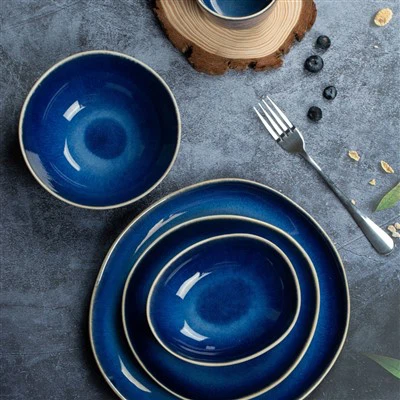
If you’re ready to upgrade your dinnerware set to fit your new organized cabinet, or if you have questions about what size or type of set works for your kitchen, feel free to reach out for a purchasing discussion. We can help you pick the right set for your cabinet space, and even share customized organization tips based on your kitchen layout.
Plate References
The Spruce: How to Organize Kitchen Cabinets for Everyday Use
American Cleaning Institute: Kitchen Clutter Reduction Tips
Fine Homebuilding: Cabinet Storage Design for Kitchens
Food Network: Weeknight Kitchen Organization Hacks
Wellwares (Shijiazhuang) Limited
Wellwares (Shijiazhuang) Limited is one of the most professional everyday dinnerware set manufacturers and suppliers in China, featured by quality products and good service. Please rest assured to wholesale customized everyday dinnerware set at low price from our factory.
Address: 12F, Huahai Universal Plaza, No. 199 Xinhua Road, Shijiazhuang.
E-mail: chloecui@wellwares.com
WebSite: https://www.wws-ceramic.com/
