As a supplier of face grinding machines, I have witnessed firsthand the remarkable capabilities of these precision tools in various manufacturing processes. Face grinding machines are essential for achieving high-quality surface finishes and tight tolerances on a wide range of workpieces. However, like any technology, they also have their limitations. Understanding these limitations is crucial for both manufacturers and end-users to make informed decisions about when and how to use face grinding machines effectively. Face Grinding Machine

1. Material Limitations
One of the primary limitations of face grinding machines is their suitability for different materials. While these machines can handle a variety of metals, including steel, aluminum, and cast iron, they may not be the best choice for all materials. For instance, extremely hard materials such as tungsten carbide or ceramics can pose significant challenges. The abrasive wheels used in face grinding machines may wear out quickly when grinding these hard materials, leading to increased tooling costs and reduced productivity. Additionally, the high heat generated during the grinding process can cause thermal damage to the workpiece, such as cracking or warping, especially in materials with low thermal conductivity.
On the other hand, soft and ductile materials like copper and brass can also present problems. These materials tend to clog the abrasive wheel, reducing its cutting efficiency and surface finish quality. To overcome this issue, special grinding wheels with open structures and high porosity are often required, which can be more expensive and less durable than standard wheels.
2. Geometric Limitations
Face grinding machines are designed primarily for grinding flat surfaces. While they can be used to grind some simple geometric shapes, such as chamfers and radii, their capabilities are limited compared to other machining processes. Complex geometries, such as free-form surfaces or internal features, are difficult or impossible to grind using a face grinding machine. In these cases, other machining methods, such as milling or turning, may be more appropriate.
Another geometric limitation of face grinding machines is the size of the workpiece that can be accommodated. The grinding table and spindle travel of a face grinding machine determine the maximum size of the workpiece that can be processed. If the workpiece is too large, it may not fit on the grinding table, or the spindle may not be able to reach all areas of the workpiece. This can limit the application of face grinding machines in industries that require the processing of large components, such as aerospace and heavy machinery manufacturing.
3. Surface Finish Limitations
Although face grinding machines are capable of producing high-quality surface finishes, there are still limitations to the achievable surface roughness. The surface finish of a ground workpiece is affected by several factors, including the type of abrasive wheel, the grinding parameters (such as feed rate, depth of cut, and wheel speed), and the material properties of the workpiece. In general, the finer the abrasive grit size of the wheel, the smoother the surface finish that can be achieved. However, using a very fine grit wheel can also increase the grinding time and reduce the material removal rate, which may not be practical for high-volume production.
In addition, the surface finish of a ground workpiece may not be uniform across the entire surface. Variations in the grinding parameters, such as the wheel wear and the contact pressure between the wheel and the workpiece, can cause differences in the surface roughness. This can be a problem in applications where a consistent surface finish is required, such as in the medical and optical industries.
4. Precision and Tolerance Limitations
While face grinding machines can achieve high levels of precision and accuracy, there are still limitations to the achievable tolerances. The precision of a face grinding machine is affected by several factors, including the machine’s structural rigidity, the accuracy of the feed and drive systems, and the stability of the grinding process. Even small variations in these factors can result in deviations from the desired dimensions and tolerances.
In addition, the thermal expansion and contraction of the workpiece during the grinding process can also affect the dimensional accuracy. The high heat generated during grinding can cause the workpiece to expand, and if the grinding process is not properly controlled, the workpiece may cool down and shrink to a size that is different from the desired dimension. This can be a particular problem in applications where tight tolerances are required, such as in the automotive and aerospace industries.
5. Productivity Limitations
Face grinding machines are generally slower than other machining processes, such as milling and turning, in terms of material removal rate. This is because the grinding process involves the removal of small amounts of material at a time using an abrasive wheel. The feed rate and depth of cut in face grinding are typically much lower than in milling or turning, which results in longer machining times.
In addition, the need for frequent wheel dressing and replacement can also reduce the productivity of face grinding machines. The abrasive wheels used in face grinding machines wear out over time, and as they wear, their cutting efficiency and surface finish quality decrease. To maintain the performance of the grinding wheel, it is necessary to dress the wheel regularly to remove the worn abrasive particles and expose new cutting edges. However, wheel dressing is a time-consuming process that requires the machine to be stopped, which can further reduce the overall productivity.
Conclusion
Despite their limitations, face grinding machines remain an essential tool in the manufacturing industry for achieving high-quality surface finishes and tight tolerances on flat surfaces. By understanding the limitations of these machines, manufacturers and end-users can make informed decisions about when and how to use them effectively. In some cases, it may be necessary to combine face grinding with other machining processes to achieve the desired results.
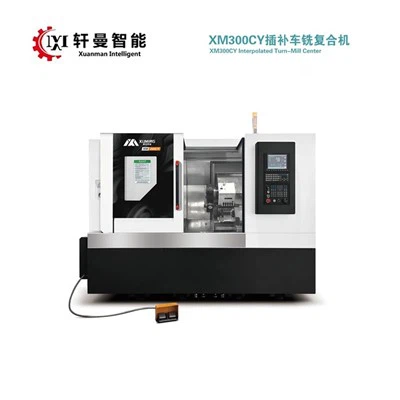
If you are in the market for a face grinding machine or have any questions about our products, please do not hesitate to contact us. Our team of experts is available to discuss your specific requirements and provide you with the best solutions for your manufacturing needs.
CNC Gear Hobbing Machine References
- “Manufacturing Processes for Engineering Materials” by Serope Kalpakjian and Steven R. Schmid
- “Handbook of Machining with Grinding Wheels” by E. Brian Hopia
Jiangsu Xuanman Intelligent Equipment Co., Ltd.
We’re well-known as one of the leading face grinding machine manufacturers in China, featured by quality products and low price. Please rest assured to buy discount face grinding machine made in China here from our factory. We also accept customized orders.
Address: No. 1-1, Weier Road, Jieji Equipment Manufacturing Industrial Park, Sihong County, Suqian City, Jiangsu Province, China
E-mail: jsxmzn@163.com
WebSite: https://www.xm-cnc.com/
