As a supplier of tractor trucks, I understand the paramount importance of safety regulations for these vehicles on highways. Tractor trucks, also known as semi – trucks or big rigs, play a crucial role in the transportation industry, hauling goods across vast distances. However, their large size and weight make them potential hazards if not operated in accordance with strict safety regulations. In this blog, I will delve into the key safety regulations that govern tractor trucks on highways. Tractor Truck
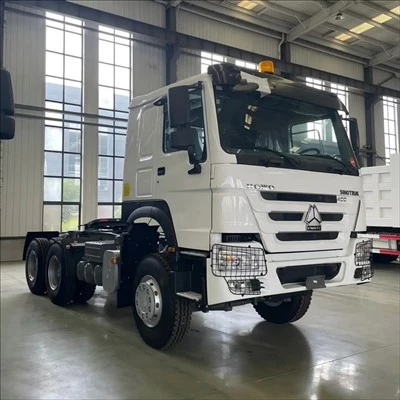
Vehicle Maintenance and Inspection
One of the fundamental safety regulations for tractor trucks is regular maintenance and inspection. A well – maintained vehicle is less likely to experience mechanical failures that could lead to accidents. Federal and state laws typically require tractor trucks to undergo pre – trip, en – route, and post – trip inspections.
Pre – trip inspections are essential to ensure that the tractor truck is in proper working condition before hitting the road. This includes checking the brakes, tires, lights, steering, and suspension systems. Brakes are a critical safety component, and any signs of wear or malfunction must be addressed immediately. Tires should have sufficient tread depth and proper inflation to prevent blowouts. Lights, both interior and exterior, need to be functional to ensure visibility to other drivers.
En – route inspections are conducted during long journeys. Drivers should periodically check their vehicles for any obvious signs of problems such as leaks, abnormal noises, or loose parts. If any issues are detected, the driver should pull over at a safe location and address the problem or seek professional assistance.
Post – trip inspections are carried out at the end of each journey. This allows for a comprehensive check of the vehicle’s condition and helps identify any potential problems that may have developed during the trip. Maintenance records should be kept for each inspection, detailing what was checked and any corrective actions taken.
Driver Qualifications and Hours of Service
Another crucial aspect of highway safety for tractor trucks is the qualification of the drivers. All drivers must hold a valid commercial driver’s license (CDL), which requires passing written and practical exams. These exams test the driver’s knowledge of traffic laws, vehicle operation, and safety procedures.
In addition to having a CDL, drivers must also meet certain physical and medical requirements. They are required to undergo regular medical examinations to ensure they are fit to operate a tractor truck. Conditions such as vision problems, hearing impairments, or certain medical conditions that could affect driving ability may disqualify a driver.
The hours – of – service regulations are designed to prevent driver fatigue, which is a major cause of accidents on the highways. These regulations limit the number of hours a driver can be on duty and the number of consecutive hours they can drive without taking a break. Currently, drivers are generally limited to 11 hours of driving after 10 consecutive hours off – duty. They are also restricted to a maximum of 14 hours on – duty after coming on – duty following 10 consecutive hours off – duty. Additionally, a mandatory 30 – minute break is required within the first 8 hours of coming on – duty.
Load Securement
Proper load securement is vital for the safety of tractor trucks on highways. An unsecured or poorly secured load can shift during transit, causing the truck to become unbalanced and increasing the risk of a roll – over or loss of control. Federal regulations specify the minimum requirements for load securement.
The type of load determines the appropriate securement method. For example, heavy loads such as construction equipment or large machinery may require multiple tie – downs and chains to prevent movement. Loose loads like gravel or sand must be contained in a proper trailer and may need additional sheeting to prevent spillage.
The securement devices used must be in good condition and have sufficient strength to withstand the forces acting on the load. Drivers are responsible for ensuring that the load is properly secured before leaving the loading site. They should also check the load periodically during the journey to ensure that it remains secure.
Speed and Following Distance
Highway safety regulations also govern the speed at which tractor trucks can travel. Tractor trucks are generally subject to lower speed limits than passenger cars due to their size and weight. These lower speed limits help reduce the stopping distance and give the driver more time to react to unexpected situations.
In addition to speed limits, tractor truck drivers are required to maintain a safe following distance. The general rule of thumb is to maintain a following distance of at least one second for every 10 feet of vehicle length at speeds below 40 mph, with an additional second for speeds over 40 mph. This allows the driver enough time to stop safely in case the vehicle in front suddenly brakes.
Safety Equipment
Tractor trucks are required to be equipped with certain safety devices. This includes emergency equipment such as fire extinguishers, reflective triangles, and first – aid kits. Fire extinguishers are essential in case of a vehicle fire, which can spread quickly due to the presence of fuel and other flammable materials. Reflective triangles are used to warn other drivers in case of a breakdown or emergency on the highway.
Modern tractor trucks are also often equipped with advanced safety features such as anti – lock braking systems (ABS), electronic stability control (ESC), and collision warning systems. ABS helps prevent the wheels from locking up during braking, allowing the driver to maintain steering control. ESC helps keep the truck stable by automatically applying brakes to individual wheels and reducing engine power if it detects a loss of control. Collision warning systems use sensors to detect potential collisions and alert the driver.
Compliance and Enforcement
Compliance with these safety regulations is monitored and enforced by various government agencies, including the Federal Motor Carrier Safety Administration (FMCSA) and state transportation departments. These agencies conduct regular inspections of tractor trucks and their drivers at weigh stations and other checkpoints.
Drivers and trucking companies that violate safety regulations can face significant penalties, including fines, suspension of operating authority, and even criminal charges in severe cases. These penalties are designed to encourage compliance and ensure the safety of all highway users.
As a tractor truck supplier, I am committed to providing vehicles that meet or exceed all safety regulations. Our trucks are built with high – quality materials and advanced safety features to ensure the safety of the drivers and other road users. We also offer training and support to our customers to help them understand and comply with the safety regulations.
Crane If you are in the market for a reliable tractor truck, I encourage you to reach out to us for a detailed discussion about your needs. Our team of experts can provide you with the information and guidance you need to make an informed decision. Whether you are a small – scale hauler or a large – scale transportation company, we have the right tractor truck for you. Contact us today to start the conversation about your next tractor truck purchase.
References
- Federal Motor Carrier Safety Administration (FMCSA). Regulations and Guidance.
- American Trucking Associations (ATA). Safety and Technology Resources.
- National Highway Traffic Safety Administration (NHTSA). Commercial Vehicle Safety Information.
Jining Dafu Machinery Sales Co., Ltd.
As one of the most professional tractor truck suppliers in China, we’re featured by quality products and low price. Please rest assured to wholesale bulk cheap tractor truck from our factory. We also accept customized orders.
Address: Room 1-115, Building 7, Luxinan Auto Parts City, Qiantongdian Village, Quanpu Town, Liangshan County, Jining City, Shandong Province
E-mail: jiningdafu@163.com
WebSite: https://www.dafumachinery.com/
