In the ever – evolving landscape of electronics, the demand for high – precision parts has reached an all – time high. As a leading supplier in plastic injection molding for electronics, I’ve witnessed firsthand how this manufacturing process is crucial in ensuring the production of these high – precision components. In this blog, I’ll delve into the ways plastic injection molding guarantees the precision required for electronics. Plastic Injection Molding for Electronics
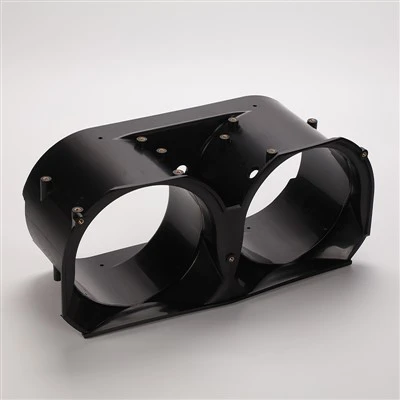
Understanding the Basics of Plastic Injection Molding
Plastic injection molding is a manufacturing process in which molten plastic is injected into a mold cavity under high pressure. Once the plastic cools and solidifies, it takes on the shape of the mold, resulting in a finished part. This process is highly versatile, capable of producing parts with complex geometries, and is widely used in various industries, especially electronics.
Design and Mold Creation: The Foundation of Precision
The journey towards high – precision parts in electronics begins with meticulous design and mold creation. In electronics, parts often have intricate details, such as small holes, thin walls, and fine surface textures. Our design team works closely with clients to understand their specific requirements, whether it’s a smartphone component with a precise fit or a tiny connector for a wearable device.
Using advanced computer – aided design (CAD) software, we can create 3D models of the parts to be molded. These models allow us to visualize the part from all angles, make necessary adjustments, and simulate the injection molding process to predict potential issues. For example, we can analyze how the molten plastic will flow inside the mold cavity, ensuring that it fills all areas evenly without creating air pockets or defects.
Once the design is finalized, the mold creation process begins. The mold is essentially the key to producing high – precision parts. We use high – grade steel or aluminum to make the molds, which are machined with extreme precision using computer – numerical – control (CNC) machines. These machines can achieve tolerances as tight as a few micrometers, ensuring that the mold cavity matches the exact dimensions of the designed part. The surface finish of the mold is also carefully controlled, as it directly impacts the surface quality of the final part. A smooth mold surface can result in a part with a high – gloss finish, which is often desirable in electronics for aesthetic and functional reasons.
Material Selection and Quality Control
The choice of plastic material is another critical factor in ensuring high – precision parts for electronics. Different electronics applications require different material properties, such as electrical conductivity, heat resistance, mechanical strength, and chemical resistance.
We offer a wide range of plastic materials, including polycarbonate (PC), acrylonitrile butadiene styrene (ABS), and polypropylene (PP). For example, PC is known for its excellent transparency and high impact strength, making it suitable for smartphone screens and camera lenses. ABS, on the other hand, has good mechanical properties and is easy to process, making it a popular choice for electronic enclosures.
Before the injection molding process begins, we conduct rigorous material testing. We check the material’s viscosity, melting point, and other physical properties to ensure that it meets the required specifications. This helps us prevent issues such as warping, shrinkage, or cracking in the final parts. During the production process, we also implement in – line quality control measures. We use sensors and monitoring systems to continuously measure the temperature, pressure, and flow rate of the molten plastic. Any deviations from the set parameters can be detected immediately, allowing us to make real – time adjustments and ensure consistent part quality.
Injection Molding Process Optimization
The injection molding process itself is a complex operation that requires careful optimization to achieve high precision. There are several key parameters that we closely monitor and control, including injection speed, pressure, temperature, and cooling time.
The injection speed determines how quickly the molten plastic is injected into the mold cavity. A too – slow injection speed can result in incomplete filling of the mold, while a too – fast speed can cause excessive shear stress on the plastic, leading to defects. We use advanced injection molding machines that allow us to precisely control the injection speed based on the specific requirements of each part.
Pressure is another crucial parameter. Sufficient pressure is needed to ensure that the molten plastic fills all the corners and edges of the mold cavity. However, excessive pressure can cause flash (excess plastic) around the edges of the part. We use pressure sensors to monitor the pressure during the injection process and adjust it as necessary to maintain the optimal level.
Temperature control is also vital. The temperature of the molten plastic affects its viscosity and flowability. If the temperature is too low, the plastic may not flow properly, resulting in incomplete parts. If the temperature is too high, the plastic may decompose, leading to poor part quality. We use heating and cooling systems to precisely control the temperature of the injection barrel and the mold, ensuring that the plastic is in the optimal state for molding.
The cooling time is the period during which the plastic in the mold cools and solidifies. A proper cooling time is essential to prevent warping and shrinkage of the part. We use cooling channels in the mold to circulate coolant, which helps to control the cooling rate. By carefully adjusting the cooling time and rate, we can ensure that the parts have the desired dimensions and mechanical properties.
Post – Molding Processes and Finishing
After the parts are ejected from the mold, they may undergo various post – molding processes to further enhance their precision and quality. One common post – molding process is trimming, which involves removing any excess plastic or flash from the edges of the part. This is typically done using automated trimming machines or by hand, depending on the complexity of the part.
Another important post – molding process is surface finishing. In electronics, parts often require a smooth and clean surface for both aesthetic and functional reasons. We offer various surface finishing options, such as polishing, painting, and plating. Polishing can improve the surface smoothness of the part, while painting can provide additional protection and color. Plating, such as electroplating or electroless plating, can add a thin layer of metal to the surface of the plastic part, enhancing its electrical conductivity or corrosion resistance.
Inspection and Testing
Before the parts are shipped to our clients, they undergo a comprehensive inspection and testing process. We use a variety of inspection techniques, including visual inspection, dimensional measurement, and functional testing.
Visual inspection is the first step, where trained operators carefully examine the parts for any visible defects, such as scratches, cracks, or discoloration. For dimensional measurement, we use high – precision measuring instruments, such as coordinate measuring machines (CMMs). These machines can measure the dimensions of the parts with extremely high accuracy, ensuring that they meet the specified tolerances.
Functional testing is also crucial, especially for electronics parts. We test the parts to ensure that they perform their intended functions correctly. For example, if it’s a connector, we test its electrical conductivity and mating performance. If it’s an enclosure, we test its ability to protect the internal components from dust, moisture, and mechanical stress.
Meeting the Demands of the Electronics Industry
The electronics industry is constantly evolving, with new technologies and products emerging at a rapid pace. This means that the demand for even higher – precision parts is growing. As a plastic injection molding supplier for electronics, we are committed to staying at the forefront of technological advancements.
We invest in research and development to explore new materials, processes, and design techniques. For example, we are currently researching the use of biodegradable plastics in electronics to meet the growing demand for sustainable products. We are also exploring the application of 3D printing technology in mold making, which could potentially reduce the lead time and cost of mold production.
Why Choose Us?
When it comes to high – precision plastic injection molding for electronics, we have several advantages. Our experienced team of engineers and technicians has in – depth knowledge of the electronics industry and the injection molding process. We are committed to providing customized solutions to meet the unique needs of each client.
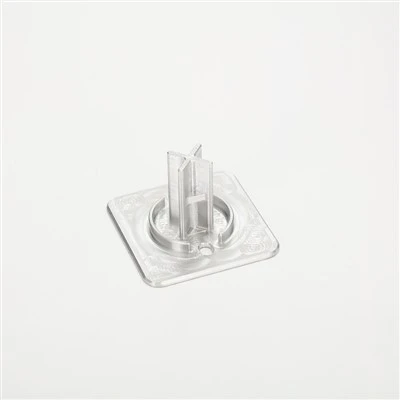
We have state – of – the – art manufacturing facilities equipped with the latest injection molding machines, CNC machines, and testing equipment. This allows us to produce high – quality parts with tight tolerances and consistent performance. Our strict quality control system ensures that every part that leaves our factory meets the highest standards.
CNC Milling If you are in need of high – precision plastic parts for your electronics products, we would be delighted to work with you. Our team is ready to discuss your project requirements, offer technical advice, and provide a competitive quotation. Contact us today to start the procurement process and take your electronics products to the next level.
References
- "Injection Molding Handbook" by O. Olajide, which provides in – depth knowledge about the injection molding process, including mold design, material selection, and process optimization.
- "Plastics in Electronics: Properties, Processes, and Applications" by D. Harper, offering insights into the use of plastics in the electronics industry and the requirements for high – precision parts.
- Research papers from industrial conferences on plastics and electronics, which cover the latest trends and technologies in plastic injection molding for high – precision electronics components.
Zhejiang Hayi Technology Co., Ltd.
With abundant experience, we are one of the most professional plastic injection molding for electronics manufacturers in China. We warmly welcome you to wholesale bulk plastic injection molding for electronics in stock here and get quotation from our factory. All customized products are with high quality and competitive price.
Address: Room 112, 1st Floor, No. 103, Siwangdai, Pingzhai Village, Renhe Subdistrict, Yuhang District, Hangzhou City, Zhejiang Province
E-mail: 18368133797@163.com
WebSite: https://www.zhejianghayi.com/
