Can I install an RCD in an existing residential distribution box?
As a supplier of residential distribution boxes, I often get this question from homeowners and electricians alike. The short answer is yes, in most cases, you can install a Residual Current Device (RCD) in an existing residential distribution box. However, there are several important factors to consider before proceeding with the installation. Residential Distribution Box
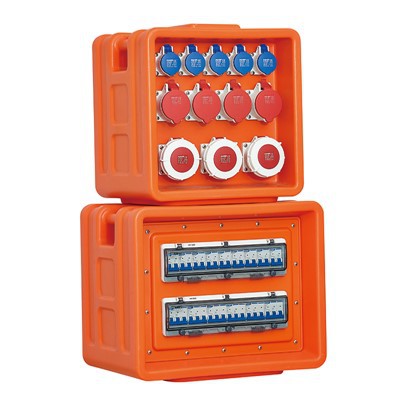
Understanding RCDs
Before delving into the installation process, it’s crucial to understand what an RCD is and why it’s important. An RCD, also known as a residual current circuit breaker, is a safety device designed to protect against electric shock and electrical fires. It works by constantly monitoring the electrical current flowing through a circuit. If it detects an imbalance between the current going into a circuit and the current returning, it quickly switches off the power, preventing potentially lethal electric shocks.
Legal Requirements and Regulations
One of the first things you need to consider when installing an RCD in an existing distribution box is the legal requirements and regulations in your area. In many countries, the installation of RCDs is mandatory for certain types of circuits, such as those supplying power to bathrooms, kitchens, and outdoor areas. These regulations are in place to protect residents from the risk of electric shock.
It’s essential to check with your local electrical regulatory body or consult a qualified electrician to ensure that your installation complies with all relevant codes and standards. Failure to do so could result in fines or, more importantly, put your household at risk.
Compatibility with Existing Distribution Box
The next factor to consider is the compatibility of the RCD with your existing residential distribution box. Not all distribution boxes are designed to accommodate an RCD, and some may require modifications or upgrades to do so.
When checking compatibility, you need to consider the following:
- Size and Type: The RCD must fit physically into the distribution box. Some older distribution boxes may be too small or have a different layout, making it difficult to install a modern RCD.
- Electrical Rating: The RCD must have the correct electrical rating for your electrical system. This includes the voltage, current rating, and tripping characteristics. Using an RCD with an incorrect rating can lead to malfunctions or ineffective protection.
- Busbar Compatibility: The RCD needs to be compatible with the busbars in the distribution box. The busbars are the metal bars that carry the electrical current, and the RCD must be able to connect to them securely.
Installation Process
If you have determined that an RCD can be installed in your existing distribution box and that it meets all the necessary requirements, the next step is the installation process. It’s important to note that electrical work can be dangerous, and it should only be carried out by a qualified electrician.
The general steps for installing an RCD in an existing distribution box are as follows:
- Isolate the Power: Before starting any work, turn off the main power supply to the distribution box to prevent the risk of electric shock.
- Remove the Cover: Remove the cover of the distribution box to gain access to the internal components.
- Identify the Circuit: Identify the circuit or circuits that you want to protect with the RCD. This may involve tracing the wires back to the relevant breakers or fuses.
- Install the RCD: Remove the existing breaker or fuse that corresponds to the circuit and replace it with the RCD. Make sure to connect the wires correctly, following the manufacturer’s instructions.
- Test the RCD: Once the RCD is installed, turn on the main power supply and test the RCD using the test button on the device. This will ensure that it is functioning correctly.
- Replace the Cover: Finally, replace the cover of the distribution box.
Benefits of Installing an RCD
Installing an RCD in an existing residential distribution box offers several benefits, including:
- Enhanced Safety: The primary benefit of an RCD is enhanced safety. It can significantly reduce the risk of electric shock, which can be fatal.
- Protection Against Electrical Fires: RCDs can also protect against electrical fires by quickly switching off the power in the event of an electrical fault.
- Compliance: Installing an RCD ensures that your electrical system complies with the latest safety regulations.
Conclusion

In conclusion, in most cases, you can install an RCD in an existing residential distribution box. However, it’s important to consider the legal requirements, compatibility with the existing distribution box, and the installation process. We strongly recommend that you consult a qualified electrician to carry out the installation to ensure your safety and compliance with regulations.
Wall Mounted Distribution Box As a supplier of residential distribution boxes, we offer a wide range of high – quality products that are compatible with various RCDs. If you are considering installing an RCD in your existing distribution box or need a new distribution box, we would be happy to assist you. Our team of experts can provide you with the right advice and recommend the best products for your needs. Contact us to start a conversation about your residential electrical distribution requirements.
References
- Electrical Safety Regulations in [Your Country Name], Local Electrical Authority.
- Manufacturer’s Instructions for Residential Distribution Boxes and RCDs.
- "Electrical Installation Handbook", Various editions by Giraud, Xavier.
Apeks Electric Co., Ltd.
As one of the leading residential distribution box manufacturers and suppliers in China, we also support custom service. With abundant experience, we warmly welcome you to wholesale high quality residential distribution box from our factory. Welcome to view our website for more information.
Address: No.2 Yuyao Rd, Yuxin, Nanhu District, Jiaxing, China
E-mail: kevin@apekselectric.com
WebSite: https://www.powerdistros.com/
