As an automotive parts supplier, I understand the critical importance of proper storage for automotive parts. In the automotive industry, the quality and integrity of parts are paramount, and the way we store them can significantly impact their performance and longevity. This blog will delve into the best practices for storing automotive parts, ensuring that they remain in optimal condition until they reach the hands of our customers. Automotive Parts
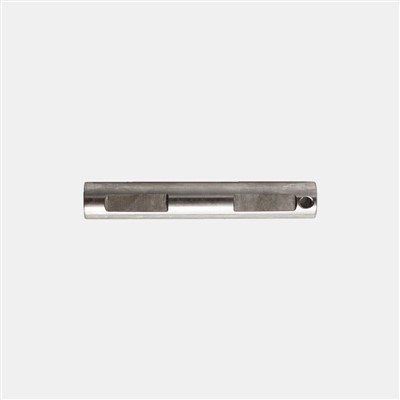
Understanding the Types of Automotive Parts and Their Storage Requirements
Automotive parts come in a wide variety of shapes, sizes, and materials, each with its own specific storage needs. For instance, metal parts are prone to rust and corrosion, especially in humid environments. To prevent this, we need to store them in a dry place with low humidity. A dehumidifier can be a great investment in a storage facility, as it helps maintain a stable humidity level. Additionally, applying a thin layer of anti – rust coating to metal parts before storage can provide an extra layer of protection.
Plastic parts, on the other hand, can be affected by temperature extremes. High temperatures can cause plastic to warp or become brittle, while low temperatures can make it more prone to cracking. Therefore, plastic parts should be stored in a temperature – controlled environment. A storage room with a thermostat set to a moderate temperature, typically between 20 – 25 degrees Celsius, is ideal for plastic automotive parts.
Rubber parts are sensitive to sunlight, oxygen, and ozone. Exposure to these elements can cause rubber to deteriorate, losing its elasticity and becoming hard. To store rubber parts properly, we should keep them in a dark, cool place away from direct sunlight. Sealing them in air – tight containers can also help reduce their exposure to oxygen and ozone.
Organizing the Storage Space
Efficient organization of the storage space is crucial for easy access and inventory management. We use a systematic approach to categorize and label automotive parts. First, we group parts by vehicle make and model. This allows us to quickly locate parts for specific vehicles when a customer places an order.
Within each vehicle category, we further divide parts by type, such as engine parts, brake parts, and suspension parts. This hierarchical organization makes it easier for our staff to find the exact part they need. We also use clear and detailed labels on each storage bin or shelf. The labels include the part name, part number, and the vehicle make and model it is compatible with.
In addition to categorization, we implement a first – in, first – out (FIFO) system. This means that the parts that are received first are the ones that are shipped out first. FIFO helps prevent parts from sitting in storage for too long, reducing the risk of damage due to aging.
Implementing Proper Handling Procedures
Proper handling of automotive parts during storage is essential to prevent damage. When receiving parts, we ensure that they are inspected for any visible damage. If a part is damaged, it is immediately set aside for return or repair.
When moving parts within the storage facility, we use appropriate handling equipment. For heavy parts, we use forklifts or pallet jacks to avoid manual lifting, which can lead to injuries and damage to the parts. For smaller parts, we use hand trucks or carts to transport them safely.
When storing parts on shelves, we make sure to stack them in a stable manner. Heavy parts should be placed at the bottom of the stack, while lighter parts can be placed on top. This prevents the stack from toppling over and causing damage to the parts.
Protecting Parts from Contamination
Contamination can have a significant impact on the performance of automotive parts. Dust, dirt, and debris can accumulate on parts, causing them to malfunction or wear out prematurely. To protect parts from contamination, we keep the storage area clean. Regular cleaning of the floors, shelves, and storage bins is necessary.
We also use protective packaging for parts. For example, small parts can be placed in plastic bags or sealed containers to prevent dust from settling on them. Larger parts can be covered with protective sheets or wraps.
In addition to physical contamination, chemical contamination is also a concern. We need to ensure that parts are not stored near chemicals or substances that could react with them. For example, some chemicals can corrode metal parts or damage plastic and rubber components.
Monitoring and Maintaining the Storage Environment
Regular monitoring of the storage environment is essential to ensure that the conditions are suitable for storing automotive parts. We use sensors to monitor temperature, humidity, and air quality in the storage facility. If the temperature or humidity levels deviate from the recommended range, we take immediate action to correct them.
For example, if the humidity is too high, we can increase the operation of the dehumidifier. If the temperature is too high, we can adjust the air – conditioning system. We also conduct regular inspections of the parts to check for any signs of damage or deterioration.
Maintaining the storage equipment is also important. Forklifts, pallet jacks, and other handling equipment should be serviced regularly to ensure their proper functioning. Shelves and storage bins should be inspected for any signs of damage or wear and repaired or replaced as needed.
Conclusion
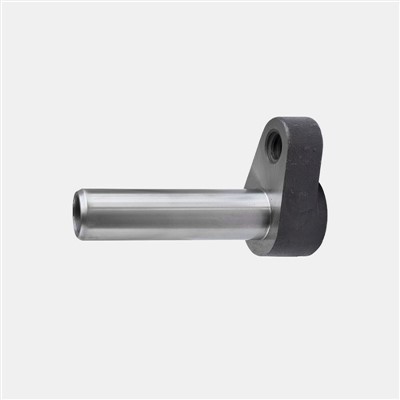
Proper storage of automotive parts is a multi – faceted process that requires attention to detail and a systematic approach. By understanding the specific storage requirements of different types of parts, organizing the storage space efficiently, implementing proper handling procedures, protecting parts from contamination, and monitoring and maintaining the storage environment, we can ensure that our automotive parts remain in optimal condition.
Precision Disc Parts Machining As an automotive parts supplier, we are committed to providing high – quality parts to our customers. Our strict storage practices are a key part of our quality control process. If you are in the market for automotive parts, we invite you to contact us for a procurement discussion. We have a wide range of parts available, and our team of experts can help you find the right parts for your needs.
References
- "Automotive Parts Storage and Handling Best Practices" – Industry white paper on automotive parts logistics.
- "Materials Science for Automotive Applications" – Textbook on the properties of materials used in automotive parts.
- "Warehouse Management in the Automotive Industry" – Research report on efficient warehouse management for automotive parts.
Taizhou Liuhuan Machinery Co., Ltd.
As one of the most professional automotive parts manufacturers and suppliers in China, we’re featured by quality products and good service. Please rest assured to buy customized automotive parts made in China here from our factory. For quotation, contact us now.
Address: Xinyuan Industrial Zone, Damaiyu Street, Yuhuan City, Zhejiang Province,China
E-mail: tzlhmachining@gmail.com
WebSite: https://www.tzlhmachining.com/
