Hey there! As a supplier of physical and chemical properties testing equipment, I’ve seen firsthand how crucial it is to keep this gear in tip – top shape. In this blog, I’m gonna break down the maintenance requirements for this kind of equipment. Physical and Chemical Properties Testing Equipment

Let’s start with the basics. Physical and chemical properties testing equipment is used to measure all sorts of things like density, viscosity, and chemical composition. This stuff is super important in industries such as pharmaceuticals, food and beverage, and materials science. But, like any piece of machinery, it needs regular care to work properly.
Cleaning
One of the most fundamental maintenance tasks is cleaning. You’d be surprised how much debris and residue can build up on these machines. For example, in a spectrophotometer, dust can accumulate on the lenses and mirrors, which can affect the accuracy of the readings. So, it’s essential to clean the external parts regularly with a soft, dry cloth.
For the internal parts, it depends on the type of equipment. Some devices have removable components that can be soaked in a mild cleaning solution. For instance, the sample holders in a chromatography machine can be taken out and washed gently. But always make sure to follow the manufacturer’s instructions. Using the wrong cleaning agent can damage the equipment. I’ve seen it happen more than once! A harsh chemical might corrode the sensitive sensors or damage the delicate coatings.
Calibration
Calibration is another key aspect. Testing equipment needs to be calibrated regularly to ensure accurate results. Think of it like tuning a musical instrument. If it’s out of tune, the music will sound off. Similarly, if your testing equipment isn’t calibrated correctly, the data you get will be inaccurate.
The calibration frequency varies depending on the equipment and how often you use it. For high – precision equipment like atomic force microscopes, you might need to calibrate it every few weeks. On the other hand, less sensitive instruments can go a few months between calibrations.
When calibrating, you’ll need to use certified reference materials. These are substances with known properties. For example, if you’re calibrating a pH meter, you’ll use buffer solutions with known pH values. Make sure to record the calibration results. This documentation is important for quality control and regulatory compliance.
Inspection
Regular inspections are a must. Walk around the equipment and look for any signs of wear and tear. Check the cables and connectors. A loose cable can cause intermittent problems or even short – circuit the device. Also, look for any leaks in equipment that uses fluids, like a liquid chromatography system.
Inspect the moving parts as well. For example, in a mechanical testing machine, the load cells and cross – heads should move smoothly. Any signs of grinding or sticking could indicate a problem. If you notice anything unusual during the inspection, don’t ignore it. Address the issue right away before it gets worse.
Software Updates
In today’s digital age, a lot of physical and chemical properties testing equipment is controlled by software. Software updates are essential for several reasons. Firstly, they can fix bugs. Sometimes, a software glitch can cause inaccurate readings or make the equipment malfunction.
Secondly, updates can add new features. For example, a new version of the software for a mass spectrometer might have improved data analysis tools. And finally, software updates can enhance security. With the increasing threat of cyberattacks, keeping your software up – to – date is crucial to protect your data and the integrity of your equipment.
Environmental Conditions
The environment where the equipment is placed also matters. Extreme temperatures, humidity, and dust can all have a negative impact on the performance of the testing equipment. For example, high humidity can cause corrosion on metal parts, and excessive dust can clog the air filters.
So, try to keep the equipment in a clean, controlled environment. If possible, use air conditioning and dehumidifiers to maintain the right temperature and humidity levels. And make sure the area is well – ventilated to prevent the buildup of fumes, especially if you’re working with chemicals.
Preventive Maintenance Schedule
To make sure all these maintenance tasks get done on time, it’s a good idea to create a preventive maintenance schedule. List out all the maintenance tasks, how often they need to be done, and who is responsible for them. This way, nothing slips through the cracks.
You can use a simple spreadsheet to keep track of the maintenance schedule. Mark the dates when each task is completed and note down any issues that were found and resolved. This record – keeping is not only useful for internal management but can also be important if you’re subject to audits.
Training
Last but not least, proper training is essential. Your staff should know how to operate the equipment correctly and how to perform basic maintenance tasks. A well – trained operator is less likely to make mistakes that can damage the equipment.
We offer training programs for our customers. These programs cover everything from the basics of equipment operation to advanced maintenance techniques. By investing in training, you can extend the lifespan of your equipment and get more accurate results.
In conclusion, maintaining physical and chemical properties testing equipment is a multi – faceted task that involves cleaning, calibration, inspection, software updates, controlling the environment, having a preventive maintenance schedule, and providing proper training. By taking good care of your equipment, you can ensure its reliability, accuracy, and longevity.
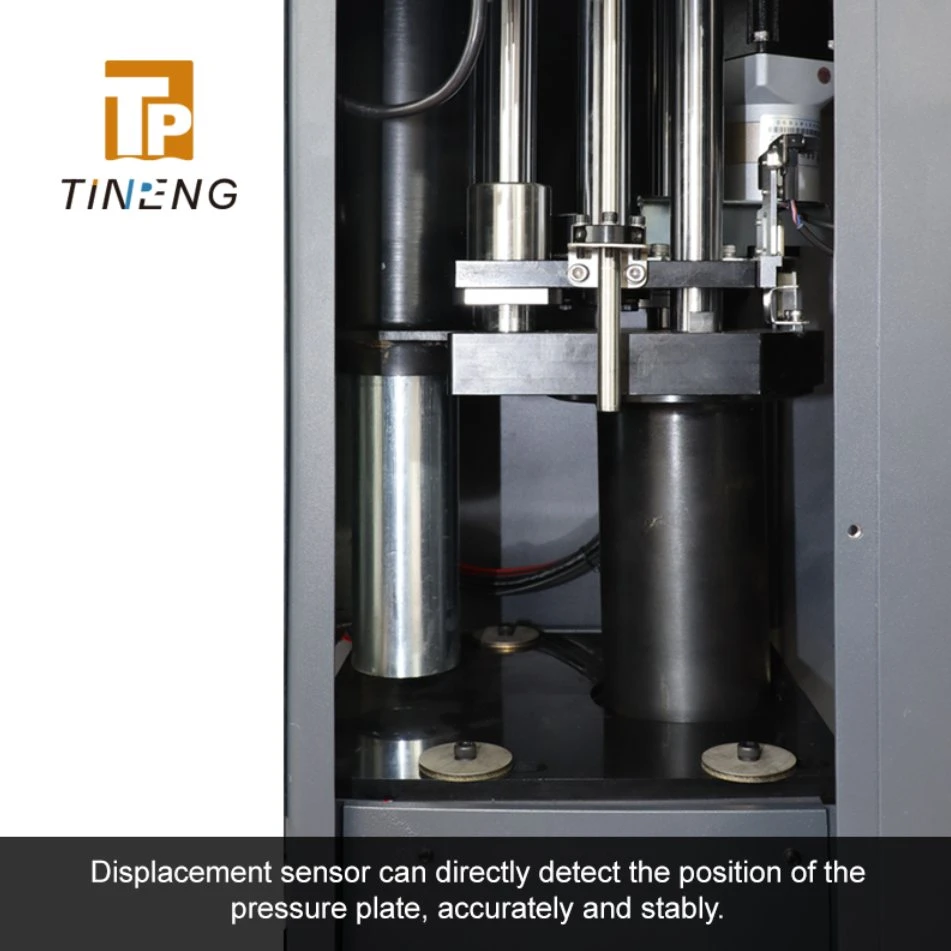
If you’re in the market for high – quality physical and chemical properties testing equipment or need more information about maintenance, don’t hesitate to reach out. We’re here to help you make the best choices for your business. Whether you’re a small startup or a large corporation, we’ve got the expertise and the products to meet your needs. Let’s have a chat about how we can work together to keep your testing processes running smoothly.
Asphalt Mixture Testing Equipment References
- ASTM International standards on equipment maintenance
- Manufacturer’s manuals for physical and chemical properties testing equipment
- Industry best practices from the American Chemical Society
Zhuozhou Tianpeng Imp. and Exp. Trade Co., Ltd.
Zhuozhou Tianpeng Imp. and Exp. Trade Co., Ltd. is one of the most professional physical and chemical properties testing equipment manufacturers and suppliers in China, featured by quality products and good price. Please rest assured to buy advanced physical and chemical properties testing equipment made in China here from our factory. Customized orders are welcome.
Address: Building C28, Hegu Technology Industrial Park, Development Zone, Zhuozhou, Hebei, China
E-mail: zhangdajing@testmould.com
WebSite: https://www.testmould.net/
