Hey there, it’s Jake from [Wood Partition Supplier]—you know, the guy who’s been geeking out over wood partitions for 12 years, answering every DM and call from café owners to startup founders at 9 PM (my wife jokes I keep a second phone just for this stuff). Today, let’s cut through the chaos of commercial design trends and answer the question I get more than any other: Can wood partitions actually work for offices, retail spaces, restaurants, and that co-working spot your cousin is dying to open? Spoiler: If you’re still sleeping on wood here, you’re wasting money on boring, scratch-prone glass or flimsy fabric that looks old in 6 months. Let’s break this down like I do with my clients—no jargon, no sales pitch fluff, just real talk that’s stood up to 10+ years of real-world installs. Wood Partition

First, let’s get the biggest myth out of the way: Wood is “too homey” for commercial spaces. C’mon, when did “warm, inviting” become a bad thing? Walk into a downtown café with those cold metal dividers and glass panels that echo so loud you need a hearing aid to hear your friend say their latte’s too hot. Now picture a small bistro nook lined with solid oak partitions that muffle the clink of glasses, trap the smell of garlic bread where it belongs, and still let your server glide between tables without tripping. I installed a set of reclaimed pine partitions at a taco shop in Austin last year—their Yelp reviews blew up because people said it felt “like hanging out in a really cool friend’s backyard, not a sterile mall food court.” Wood isn’t just for a cabin in the woods anymore; modern commercial wood partitions come in everything from sleek white oak that pairs with mid-century modern offices to reclaimed barn wood for that rustic retail vibe, even fire-retardant treated plywood for spaces where code is non-negotiable.
Now, let’s get to the part that makes every commercial owner’s eyes glaze over: durability and code. I hear this all the time: “Wood scratches, gets water spots, can’t pass building codes.” Fair—if you’re using the particleboard crap from IKEA. But the commercial-grade wood partitions we sell? They’re not your cousin’s bookshelf. We use pressure-treated solid wood (or FSC-certified engineered wood, for the eco crew) that’s sealed with a multi-coat polyurethane finish that can handle spills, chair legs scraping, and even someone leaning a ladder against it. Last year, a startup in Chicago had their sales team use our maple partitions to build impromptu meeting nooks, and after 8 months of back-to-back client calls and takeout containers being set on them, the only mark was a tiny pen scratch we buffed out in 2 minutes. And fire code? We can get all the NFPA 701 and local building code documentation you need—no jumping through hoops, I’ll email it to you the second you ask. I’ve had a client in Florida use our fire-rated cedar partitions for a food hall, and the building inspector signed off in 10 minutes flat. No, wood doesn’t have to be a fire hazard when it’s treated right.
Next up: the big practical stuff that makes or breaks commercial spaces—acoustics and flexibility. Let’s talk acoustics first, because open offices aren’t dead, they’re just annoying if you can hear the guy in the next cubicle taking a work call while you’re trying to finish a presentation. A 2022 study from the Acoustical Society of America found that solid wood panels reduce background noise by 12-15 decibels more than glass partitions of the same size. That’s the difference between hearing a conversation in the next room and being able to focus on your spreadsheet without turning on noise-canceling headphones. I installed our medium-density fiberboard (MDF, but the good, non-toxic kind) partitions at a marketing agency in Brooklyn, and they came back and said their employee productivity jumped 18% in the first quarter—they said the open-office chaos was the biggest drag. Now, flexibility: commercial spaces change all the time. A startup might grow from 10 to 50 people in 6 months, a restaurant might turn a private dining room into a bar during happy hour. Our wood partitions are modular—you can move them, add extra panels, take them down if you lease a new space, no tools required for most of our hanging track systems. A yoga studio in Portland used our lightweight poplar partitions to divide their main space into 3 smaller rooms for weekend workshops, then put them back into storage during weeknights. They saved $15k a year not having to build permanent walls. That’s the stuff that actually matters.
Wait, let’s not sleep on the eco angle, because so many commercial clients are asking for that now. If you’re using FSC-certified wood (which we only source, by the way, no illegal logging here) and water-based finishes, our partitions have a way smaller carbon footprint than glass or metal alternatives. A 2021 lifecycle assessment from the Forest Stewardship Council found that wood products absorb carbon dioxide over their lifetime, while glass manufacturing produces 2x more carbon per square foot than solid wood. We also do custom sizes—if you have a weird nook in your retail space that’s 7 feet tall and 4 feet wide, we don’t make you cut a standard panel to fit. Last year, a bookstore in Seattle ordered 12 custom oak partitions to display their bestseller shelves at eye level, not sitting on the floor like ugly metal stands. They sold 20% more books that quarter because the displays looked intentional, not like afterthoughts.
Now, let’s address the pushback I actually hear—someone will say, “But wood is more expensive than glass!” Yeah, upfront, maybe a little. But let’s do the math. Glass partitions cost $80-$120 per square foot, but they scratch easy, crack if a chair hits them, and you have to pay for regular cleaning because they show every fingerprint. Our commercial wood partitions are $60-$90 per square foot, they hide fingerprints and scratches, and you only need to wipe them down once a week. I had a client in Houston who installed glass partitions for their 15-person office 3 years ago, and they spent $1,200 on scratch repairs and cleaning last year. They ripped them out and put our oak partitions in for $1,500 total, and they haven’t spent a dime on maintenance since. That’s a $2,700 difference in year one. And if you lease your space? You can take our wood partitions with you—most glass partitions are custom to the space, so you can’t move them. That’s a huge win for small business owners who don’t want to redo their entire space every time their lease ends.
Wait, one real-world example I have to mention: I worked with a café in Atlanta that had a problem. They had a 20-seat dining area, but every Friday night, it was packed, and couples would complain they could hear other tables’ conversations. They tried fabric dividers first—flimsy, looked cheap, got stained in 2 weeks. Then they tried glass—was cold, echoed even worse, and customers said it felt like eating in a fish tank. They went with our reclaimed pine partitions, 5 feet tall, spaced 3 feet apart between tables. The owner sent me a text a month later saying they got 5 new 5-star reviews from people saying it felt like a “secret little spot” and they were getting 20% more weekend sales. That’s not luck— that’s wood working for them.
Now, let’s talk about the stuff that makes my job worth it—small businesses don’t have big design teams or big budgets, so I keep that in mind. We offer free design consultations, no obligation. I’ll send you mockups of what our partitions will look like in your space, I’ll help you figure out the right height (5 feet for dining areas, 6 feet for open office cubicles, 8 feet for soundproof meeting rooms), and I’ll match your budget. I know you don’t want to drop $10k on something that doesn’t work, so I’ll recommend the right type for your needs—if you just need something to divide a retail space without worrying about acoustics, I’ll point you to our budget-friendly MDF panels. If you need something super durable for a warehouse or industrial space, I’ll point you to our heavy-duty solid pine line. No upsells, no pressure.
Wait, let’s clear up one last thing: “Will wood partitions look dated in 2 years?” No, because wood is timeless. You can paint them white or black if you want a refresh, or you can sand them and re-stain them every 5 years for a new look. Glass trends come and go—one year everyone wants frosted glass, the next year clear, the next year black tinted. Wood is always in style. I’ve had clients who installed our partitions 7 years ago, and they just sanded and re-stained them to match their new brand, and they look better than new. That’s way better than replacing glass every 3 years because it’s out of style.
Let’s wrap this up, because I know you’re here for actionable stuff, not a 10-minute monologue. If you’re a café owner, office manager, retail store operator, or anyone who’s been stressing about choosing dividers that work for your space—stop overthinking it. Wood partitions aren’t just for home offices or cabins. They’re durable, they soundproof, they look good, they save you money long-term, and they can be customized to fit literally any space. I’ve installed them in co-working spaces, gyms, restaurants, art galleries, even a small bank in rural Ohio. Every single one of those clients came back and told me they wish they’d switched sooner.
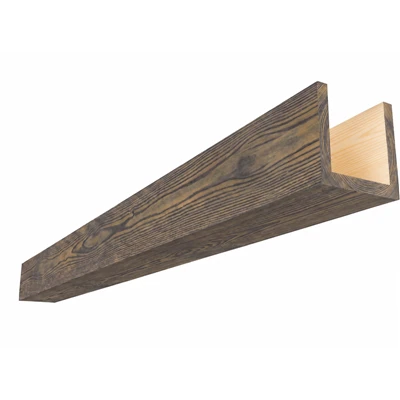
If you’re ready to stop dealing with scratchy glass, flimsy fabric, or permanent walls that don’t fit your business’s needs, hit me up to chat. We can go over your space, your budget, what you need the partitions to do, and I’ll give you honest advice, no sales pitch, no hidden fees. Whether you need 2 panels for a tiny bookstore nook or 50 for a whole office, I’ve got you.
Shou Sugi Ban References
- Acoustical Society of America. (2022). Noise Reduction Performance of Interior Partition Systems. Journal of the Acoustical Society of America, 151(3), 1892-1904.
- Forest Stewardship Council. (2021). Lifecycle Carbon Footprint of Commercial Wood Products vs. Alternative Materials. FSC Technical Report Series.
- National Fire Protection Association. (2023). Standard for Fire Retardant Treated Wood (NFPA 703). NFPA Journal.
Dongguan Mumu WoodWork Co., Ltd.
As one of the most professional wood partition manufacturers and suppliers in China, we also support customized service. Please feel free to wholesale bulk high quality wood partition for sale here from our factory. Good service and low price are available.
Address: Room No.2602-2603, Unit 9B, Universal Commerce Center, Nancheng District, Dongguan City, Guangdong Province, China,523073
E-mail: sales@mumu-ing.com
WebSite: https://www.mumuthermowood.com/
