As a GPS asset tracker supplier, I often encounter inquiries about the applicability of GPS asset trackers on vehicles. This topic is of significant interest, not only for vehicle owners but also for businesses that rely on fleets of vehicles to operate. In this blog, I’ll explore the technical capabilities, practical applications, benefits, and limitations of using GPS asset trackers on vehicles. Gps Asset Tracker
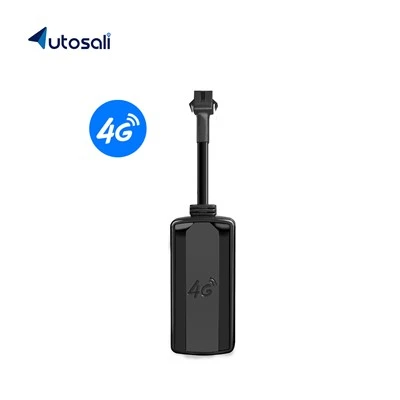
Technical Capabilities of GPS Asset Trackers
GPS asset trackers are designed to utilize the Global Positioning System (GPS) technology to determine the exact location of an asset. The basic components of a GPS tracker include a GPS receiver, a communication module, and a power source. The GPS receiver communicates with a network of satellites orbiting the Earth to triangulate the tracker’s position with high precision.
Most modern GPS asset trackers can provide real – time location data, which means that the position of the vehicle is constantly updated and can be accessed from a remote location. This real – time data is transmitted via cellular networks (such as GSM, GPRS, or 3G/4G) or satellite communication, depending on the tracker’s capabilities and the intended use environment.
In addition to location tracking, many GPS asset trackers offer additional features. These can include geofencing, which allows users to define virtual boundaries on a map. If a vehicle crosses these boundaries, the system can send an alert to the user. Some trackers also monitor vehicle speed, idle time, and engine status. They can track the distance traveled by the vehicle, which is useful for applications such as mileage reimbursement or maintaining accurate records for tax purposes.
Practical Applications of GPS Asset Trackers on Vehicles
Fleet Management
One of the most common applications of GPS asset trackers is in fleet management. For companies that operate a large number of vehicles, such as transportation and logistics companies, delivery services, or taxi companies, GPS trackers provide valuable insights. Fleet managers can use the real – time location data to optimize routes, reducing fuel consumption and travel time. This not only cuts costs but also improves the efficiency of the entire operation.
For example, if a vehicle gets stuck in traffic, the fleet manager can re – route another nearby vehicle to complete the delivery or service, ensuring that customers receive their goods or services on time. The ability to monitor vehicle speed and idle time also helps in promoting safe driving habits among drivers. High – speed driving and excessive idling can lead to increased fuel costs and wear and tear on the vehicle, so by monitoring these parameters, fleet managers can enforce better driving practices.
Vehicle Security
GPS asset trackers play a crucial role in vehicle security. In the event of vehicle theft, the tracker can provide law enforcement agencies with the exact location of the stolen vehicle, increasing the chances of recovery. Many insurance companies offer discounts on vehicle insurance premiums for vehicles equipped with GPS trackers because they reduce the risk of theft and assist in quick recovery.
Some trackers also have anti – tampering features. If someone tries to remove or disable the tracker, the system can send an alert to the owner, allowing them to take immediate action. Additionally, the real – time monitoring of the vehicle’s location can act as a deterrent to potential thieves, as they are aware that the vehicle can be easily tracked.
Personal Vehicle Monitoring
For individual vehicle owners, GPS asset trackers can also be useful. Parents can use trackers to monitor the driving habits of their teenage children, ensuring that they are driving safely and within the agreed – upon boundaries. For example, a parent can set up a geofence around the school or a friend’s house and receive alerts if the vehicle leaves these areas.
Moreover, for people who rent out their vehicles, GPS trackers provide an extra layer of protection. They can monitor the usage of the vehicle while it is in the hands of the renter, ensuring that the vehicle is used as agreed upon and not taken to unauthorized locations.
Benefits of Using GPS Asset Trackers on Vehicles
Cost Savings
As mentioned earlier, GPS asset trackers can help in reducing fuel costs through route optimization. By eliminating unnecessary detours and idle time, companies can save a significant amount of money on fuel expenditures. In addition, the ability to monitor vehicle usage and maintenance requirements accurately can lead to cost savings in vehicle maintenance. By identifying potential problems early, companies can schedule maintenance in a timely manner, preventing costly breakdowns.
Improved Productivity
In a business context, GPS asset trackers improve productivity. Fleet managers can assign tasks to vehicles more efficiently based on their real – time location. This reduces the time vehicles spend waiting for assignments and increases the number of deliveries or jobs that can be completed in a day. For example, if a delivery vehicle is closer to a new pickup location than other vehicles in the fleet, the manager can assign the job to that vehicle, minimizing travel time and maximizing productivity.
Enhanced Safety
GPS trackers contribute to enhanced vehicle safety. By monitoring vehicle speed, drivers are more likely to adhere to speed limits, reducing the risk of accidents. In addition, in case of an emergency, such as a breakdown or an accident, the real – time location data can help emergency services reach the vehicle quickly. This is especially important in remote areas where finding the exact location of the vehicle can be challenging.
Limitations of Using GPS Asset Trackers on Vehicles
Signal Interference
One of the main limitations of GPS asset trackers is signal interference. GPS signals can be blocked or weakened by tall buildings, tunnels, dense forests, or even severe weather conditions. In such cases, the tracker may not be able to provide accurate location data, or the data transmission may be disrupted. This can be a problem for applications that rely on real – time and accurate location information, such as fleet management.
Battery Life
Most GPS asset trackers are powered by batteries, and their battery life can be a limitation. Depending on the frequency of data transmission and the features used, the battery may need to be recharged or replaced frequently. For vehicles that are used for long – distance trips or are parked for extended periods, ensuring that the tracker has sufficient power can be a challenge.
Privacy Concerns
The use of GPS asset trackers on vehicles also raises privacy concerns. Some drivers may feel that their privacy is being invaded when their movements are constantly monitored. It is important for companies and individuals using GPS trackers to be transparent about their use and to ensure that they comply with relevant privacy laws and regulations.
Conclusion
In conclusion, GPS asset trackers can be effectively used on vehicles, offering a wide range of benefits in terms of fleet management, vehicle security, and personal vehicle monitoring. Their technical capabilities, such as real – time location tracking, geofencing, and additional monitoring features, make them a valuable tool for various applications.

However, it is important to be aware of the limitations, such as signal interference, battery life, and privacy concerns. Before implementing GPS asset trackers on vehicles, it is necessary to carefully consider the specific needs and requirements of the application and choose the appropriate tracker with the right features.
Dashcam If you are interested in exploring the use of GPS asset trackers for your vehicles, whether you are a fleet manager, an individual vehicle owner, or a business looking to enhance vehicle security and efficiency, I encourage you to reach out to me. We can discuss your specific requirements and find the best GPS asset tracking solution for you.
References
- GPS Technology Handbook. Published by a leading technology institute focusing on satellite – based technologies.
- Fleet Management Best Practices Guide, provided by an industry – leading fleet management association.
- Vehicle Security and Tracking research reports from well – known automotive research firms.
AutoSali Digital Technology
As one of the most professional gps asset tracker manufacturers and suppliers in China, we also support customized service. Please feel free to wholesale bulk advanced gps asset tracker made in China here from our factory. For pricelist, contact us now.
Address: No 282 Da Shi Street Panyu District Guangzhou, China
E-mail: violachueng@auto-sali.com
WebSite: http://www.autosaligps.com/
