Is there any subsidy for purchasing environmental protection equipment? Environmental Protection Equipment

As a supplier of environmental protection equipment, I’ve often been asked by potential customers whether there are subsidies available for purchasing such equipment. This is a crucial question, as subsidies can significantly reduce the financial burden on businesses and encourage the adoption of more environmentally friendly practices. In this blog post, I’ll delve into the topic of subsidies for environmental protection equipment, exploring the various types of subsidies, the eligibility criteria, and how they can benefit both businesses and the environment.
Types of Subsidies
There are several types of subsidies that may be available for the purchase of environmental protection equipment. These subsidies can come from different sources, including government agencies, non – profit organizations, and utility companies.
1. Government Grants
Government grants are one of the most common forms of subsidies for environmental protection equipment. These grants are typically provided by local, state, or federal governments to encourage businesses to invest in clean technologies. For example, some governments offer grants to companies that purchase energy – efficient water treatment systems or air pollution control devices. These grants can cover a significant portion of the equipment cost, making it more affordable for businesses to upgrade their environmental protection infrastructure.
2. Tax Incentives
Tax incentives are another popular form of subsidy. These can include tax credits, deductions, or exemptions. A tax credit directly reduces the amount of tax a business owes, while a tax deduction reduces the taxable income. For instance, a company may be eligible for a tax credit if it purchases equipment that reduces greenhouse gas emissions. This not only helps the company save money but also aligns its operations with environmental goals.
3. Low – Interest Loans
Some financial institutions, often in partnership with government agencies, offer low – interest loans for the purchase of environmental protection equipment. These loans have more favorable terms compared to regular commercial loans, such as lower interest rates and longer repayment periods. This makes it easier for businesses, especially small and medium – sized enterprises, to finance the acquisition of high – cost environmental equipment.
4. Rebates
Utility companies sometimes offer rebates to customers who purchase energy – efficient or environmentally friendly equipment. For example, if a business installs a new energy – efficient ventilation system, it may receive a rebate from the local utility company. Rebates provide an immediate financial incentive for businesses to invest in equipment that reduces energy consumption and environmental impact.
Eligibility Criteria
The eligibility criteria for subsidies vary depending on the type of subsidy and the source. However, there are some common factors that are often considered:
1. Environmental Impact
Most subsidies are aimed at promoting equipment that has a positive environmental impact. This could include equipment that reduces air or water pollution, conserves energy, or reduces waste. For example, a company looking to purchase a waste – to – energy converter may be eligible for a subsidy because the equipment helps reduce landfill waste and generates renewable energy.
2. Business Size and Type
Some subsidies are specifically targeted at small and medium – sized enterprises (SMEs). Governments recognize that SMEs may face more financial constraints when it comes to investing in environmental protection equipment. Additionally, certain industries may be given priority, such as those with high pollution levels or those that are transitioning to more sustainable practices.
3. Compliance with Standards
To be eligible for subsidies, businesses may need to ensure that the equipment they purchase meets certain environmental standards. For example, air pollution control devices must meet the emission limits set by environmental regulatory agencies. This ensures that the subsidized equipment actually contributes to environmental protection.
4. Location
In some cases, the location of the business can affect its eligibility for subsidies. Local governments may offer subsidies to businesses within their jurisdiction to promote local economic development and environmental protection. For example, a city may provide incentives for businesses in industrial zones to upgrade their environmental protection equipment to improve air quality in the area.
Benefits of Subsidies
The availability of subsidies for purchasing environmental protection equipment brings numerous benefits to both businesses and the environment.
For Businesses
- Cost Savings: Subsidies directly reduce the financial burden of purchasing environmental protection equipment. This allows businesses to invest in higher – quality equipment that they may not have been able to afford otherwise. For example, a small manufacturing company may be able to purchase a state – of – the – art wastewater treatment system with the help of a government grant, which can save them money in the long run by reducing water usage and avoiding potential fines for environmental violations.
- Competitive Advantage: Businesses that invest in environmental protection equipment can gain a competitive edge in the market. Consumers are increasingly concerned about the environmental impact of the products and services they purchase. By demonstrating a commitment to environmental sustainability, businesses can attract more customers and enhance their brand image.
- Long – Term Sustainability: Upgrading to more advanced environmental protection equipment can improve a company’s long – term sustainability. This includes reduced energy consumption, lower waste generation, and improved resource efficiency. These factors can contribute to the overall financial health and stability of the business.
For the Environment
- Pollution Reduction: Subsidies encourage businesses to adopt equipment that reduces air, water, and soil pollution. This can lead to a significant improvement in environmental quality, especially in industrial areas. For example, the widespread use of air pollution control devices can reduce the emission of harmful pollutants such as particulate matter and volatile organic compounds.
- Resource Conservation: Energy – efficient and resource – conserving equipment helps reduce the consumption of natural resources. This is crucial for the long – term sustainability of the planet. For instance, water – saving equipment can help conserve freshwater resources, which are becoming increasingly scarce in many regions.
How to Find and Apply for Subsidies
Finding and applying for subsidies can be a complex process, but there are several steps businesses can take:
1. Research
Businesses should start by researching the available subsidies at the local, state, and federal levels. Government websites, environmental agencies, and industry associations are good sources of information. They can provide details about the types of subsidies, eligibility criteria, and application procedures.
2. Consultation
It can be helpful to consult with experts, such as environmental consultants or financial advisors, who are familiar with the subsidy programs. They can provide guidance on which subsidies are most suitable for the business and assist with the application process.
3. Application Preparation
Once a suitable subsidy program has been identified, businesses need to prepare a comprehensive application. This may include providing details about the business, the equipment to be purchased, the expected environmental benefits, and financial information. It’s important to ensure that all the required documents are submitted accurately and on time.
Conclusion
As a supplier of environmental protection equipment, I’m well – aware of the importance of subsidies in promoting the adoption of clean technologies. The availability of subsidies can make a significant difference for businesses, especially those with limited financial resources. By taking advantage of these subsidies, businesses can not only save money but also contribute to a more sustainable future.
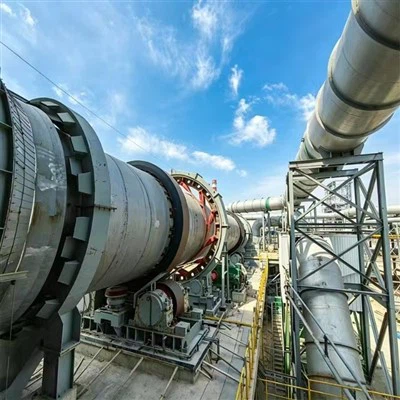
If you’re considering purchasing environmental protection equipment, I encourage you to explore the subsidy options available in your area. Our team of experts is here to assist you in finding the most suitable equipment for your needs and can provide guidance on the subsidy application process. Whether you’re looking for water treatment systems, air pollution control devices, or waste management equipment, we have a wide range of high – quality products to offer.
PCC Plant Don’t miss this opportunity to invest in environmental protection while also benefiting from potential subsidies. Contact us today to start a discussion about your requirements and how we can help you take the next step towards a greener and more sustainable business.
References
- "Environmental Subsidies: An Overview", Environmental Protection Agency
- "Tax Incentives for Clean Technologies", Internal Revenue Service
- "Energy – Efficient Equipment Rebate Programs", National Association of Utility Regulatory Commissioners
Handan Metallurgical Engineering & Research Co., Ltd.
Handan Metallurgical Engineering & Research Co., Ltd. is well-known as one of the leading environmental protection equipment manufacturers and suppliers in China. We warmly welcome you to buy high quality environmental protection equipment made in China here from our factory. Good service and competitive price are available.
Address: Cheng’an County, Handan City, Hebei Province, China
E-mail: hanhaizhao@dzmer.com
WebSite: https://www.dzmer.com/
